Reviewed · GUIDED
Hangar Guided Tour
The most powerful part of this tour is not a polished display case. It is Hangar 79, where bullet holes from the December 7, 1941 attack still mark the building. Inside, aircraft and wartime tools connect the famous Pearl Harbor story to the people who repaired, flew, and fought in the Pacific.
I like two things here. First, a docent gives the aircraft human context instead of leaving you with labels and model numbers. Guides such as Chris, Steve, Laughlin Tanaka, and Tomoko have led especially engaging tours. Second, the ticket includes general museum admission, so you can stay with MiG Alley, the outdoor displays, and the East Wind, Rain documentary after the guided hour.
The main consideration is time. The tour lasts about 60 minutes, but the museum deserves longer, especially if you want to read every panel or try a combat flight simulator. The guide-led portion also costs more than admission alone, and the simulator is an extra charge.
In This Review
- Key points before you book
- Why the hangars matter more than a standard aircraft display
- Hangar 37: weapons, aircraft, and the first minutes of the attack
- Hangar 79: a working restoration space with wartime scars
- The wider museum after the guided hour
- East Wind, Rain puts the attack in order
- Flight simulators are fun, but they are not part of the ticket
- Is $40.98 a fair price?
- Who will get the most from this tour?
- Practical timing for a Pearl Harbor day
- Should you book the Hangar Guided Tour?
- FAQ
- How long does the Hangar Guided Tour last?
- What does the ticket include?
- Are flight simulators included?
- Where does the tour begin and end?
- Are children allowed on the tour?
- Can I cancel for a refund?
Key points before you book
- Bullet-scarred Hangar 79: See an original WWII maintenance hangar that still carries marks from the Pearl Harbor attack.
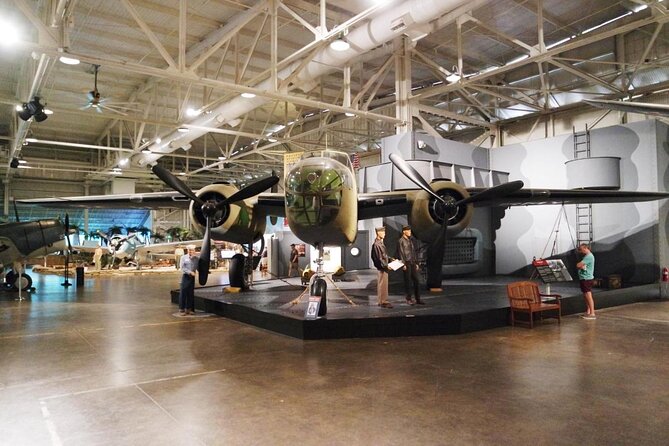
- Two historic hangars: Visit Hangar 37, once home to utility squadron VJ-1, and Hangar 79, the museum’s restoration space.
- Docent-led storytelling: Hear aircraft and Pacific War stories from resident guides rather than relying only on display labels.
- Admission included: Your tour ticket also covers the wider museum, MiG Alley, the store, and the East Wind, Rain film.
- Small group setting: The tour has a maximum of 25 people, though the exact group size can vary.
- Extra activities cost more: Combat flight simulators and the Top of the Tower Tour are not included.
Why the hangars matter more than a standard aircraft display
Pearl Harbor Aviation Museum works because it puts machines in the places where they mattered. You are not simply looking at a Japanese aircraft, a torpedo, or a trainer plane in a modern gallery. You are walking through former Naval Air Station facilities on Ford Island, a National Historic Landmark at the center of Pearl Harbor.
That setting gives the tour its weight. Hangar 37 served as the entry point for the museum and, on the day of the attack, housed utility squadron VJ-1. Its amphibious biplanes were not front-line fighters, yet their crews fired back with machine guns during the assault.
Hangar 79 has an even stronger physical link to December 7. The building later served as a maintenance and engine-repair facility, but it remains a battlefield survivor. Look up at the walls and windows, where the attack left visible bullet marks. That is the sort of detail a guide can point out quickly, but it can change how you understand the entire site.
A few more Oahu days out worth weighing up
- Moana’s Waikīkī Grand Guided Turtle Snorkel & Sailing Adventure
★ 4.5 · 936 reviews - Honolulu: Oahu Island Full-Day Guided Tour by Bus with Lunch
★ 4.6 · 506 reviews - Kailua 2-Hour Guided Kayaking Excursion, Oahu
★ 5.0 · 442 reviews
Hangar 37: weapons, aircraft, and the first minutes of the attack
The tour begins in Hangar 37 with a short explanation of the Pearl Harbor attack. This is a useful start because the museum’s aircraft make more sense once you know the basic sequence of events and the role of air power.
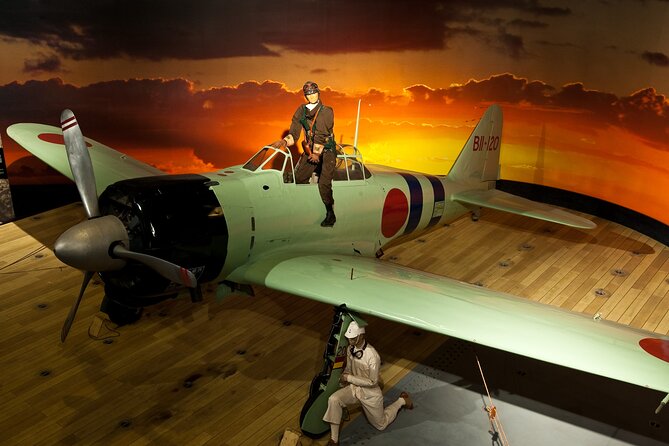
Among the objects here are an unrestored Japanese bomber similar to the aircraft used in the attack, an armor-piercing shell like the type used against the USS Arizona, and an aircraft-launched torpedo. These are not abstract weapons. Their size and design help explain how a carefully planned air assault could cause such destruction in a short time.
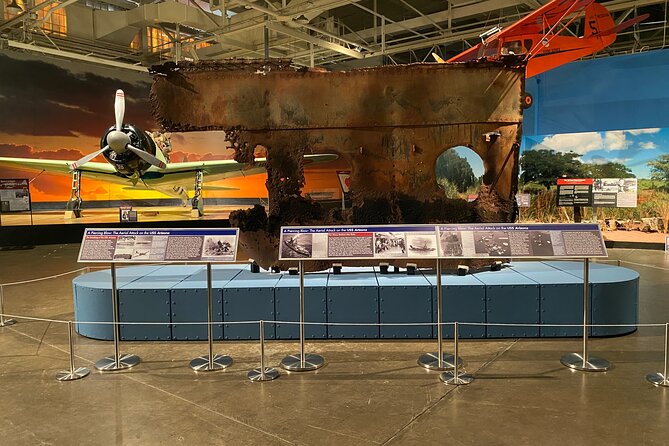
A piece of the USS Arizona is also on display. The battleship lost 1,177 crew members on December 7, 1941. Seeing part of the ship inside the hangar gives the casualty figures a physical link, though the museum keeps the tone reflective rather than theatrical.
The aircraft collection adds another layer. You might see a replica connected with one of the few American planes that managed to get airborne during the attack, along with a biplane trainer used by Navy pilots. One example is tied to George H. W. Bush’s early training. These planes help show that aviation history is not only about famous combat aircraft. Training, repair, reconnaissance, and transport were all part of the war effort.
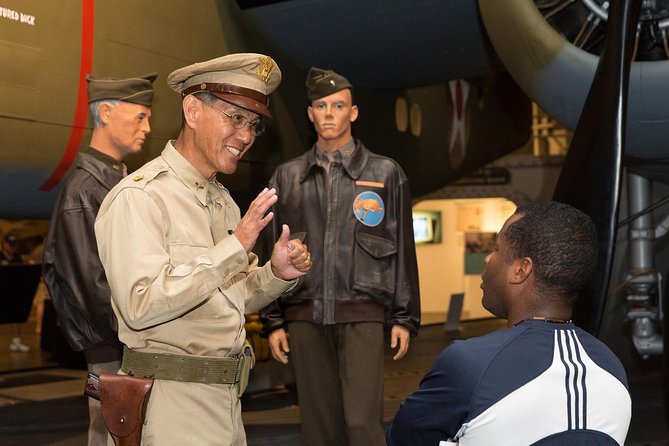
Your guide is the key to this room. Strong docents connect a plane’s shape to its purpose and then connect that purpose to a person or event. Laughlin Tanaka, Chris, Steve, and Tomoko are among the guides whose storytelling has made a lasting impression on past tour groups. The guide assigned to your departure may be different, so book this for the setting and format rather than one guaranteed individual.
Hangar 79: a working restoration space with wartime scars
Hangar 79 is often the high point of the hour. It is also where the tour feels most different from a normal museum walk-through.
The building is known as the Restoration Shop, and it retains a 1940s Carrier Aircraft Service Unit rebuilt to wartime authenticity. You can see aircraft being restored with WWII tools, as well as planes waiting for future work. That unfinished quality is part of the appeal. You get a look at the process behind a museum collection, not just the finished product.
The hangar once held fighters, bombers, and patrol aircraft based at Pearl Harbor or bound for the front lines. Today, its large interior gives the planes room to breathe, while the old structure keeps the focus on Ford Island’s military past.
The bullet holes are the essential detail. They are easy to describe and easy to miss if you rush through on your own. A docent can direct your attention to them and explain why this building survived while so much around it was damaged or destroyed.
The tour does not promise access to restricted restoration areas, and this is not a hands-on workshop. Still, the chance to see aircraft in various stages of repair adds useful depth. You learn that preserving aviation history involves tools, labor, research, and patience.
The wider museum after the guided hour
Your Hangar Guided Tour includes general admission, so do not leave when the docent finishes. The guided portion is about an hour, but the full museum can occupy a good part of your Pearl Harbor day.
Return to the aircraft you want to study. The collection includes WWII-era planes along with later military aircraft such as F-14s, F-15s, F-16s, a Blue Angels F-18, and the Australian F-111. The modern aircraft broaden the story beyond December 7 and show how military aviation changed over the decades.
MiG Alley adds another period and another set of aircraft to the visit. The exhibits also cover the Asia-Pacific War through the roles planes played as scouts, transports, bombers, and fighters. I find this wider focus useful because it keeps Pearl Harbor from becoming an isolated event. It shows how the attack fed into a much larger conflict.
Families have an additional reason to allow extra time. The museum includes an interactive building designed for children and adults. The activity is not part of the guided Hangar Tour itself, but it can help younger children stay engaged after the more serious historical sections.
There is also a museum store and a restaurant on site. Food and drinks are not included in the tour price. A separate account describes chili cheese fries as a popular choice, but your meal remains an optional purchase rather than part of the experience.
A different sort of day, same island:
- Oahu Grand Circle Island and Haleiwa Tour: 9-Hr Deluxe Experience
★ 5.0 · 17,387 reviews - Oahu: Grand Tour Around Island 16 Locations plus Snorkeling
★ 5.0 · 8,669 reviews - Parasailing Experience in Waikiki, HI
★ 5.0 · 7,692 reviews - Salute to Pearl Harbor Including USS Arizona
★ 4.5 · 7,433 reviews
East Wind, Rain puts the attack in order
The ticket includes the award-winning 12-minute documentary East Wind, Rain. The film explains the events of December 7, 1941 and works well as a compact introduction or refresher.
Watch it before the hangar tour if you want the basic timeline in place. Watch it afterward if you prefer to let the aircraft and artifacts lead first. Either way, the short running time makes it easy to fit into a full Pearl Harbor visit.
A documentary cannot replace the physical evidence in Hangars 37 and 79, but it can tie the pieces together. The film gives you a clear sequence, while the hangars add the material details: a torpedo, a shell, a damaged building, and the aircraft associated with the people involved.
Flight simulators are fun, but they are not part of the ticket
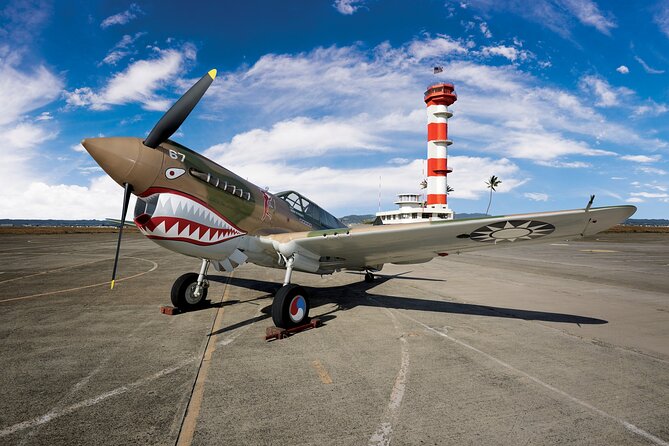
The museum has combat flight simulators, but they are excluded from this tour. A past price listed for a 15-minute session was $10, so check the current rate on arrival if you want to add one.
The simulator is best treated as a separate extra, not a reason to choose the Hangar Guided Tour. If you have limited time, spend the included admission period on the hangars, film, and aircraft first. If your group includes children or aviation fans, the simulated dogfight may be worth adding after you have seen the real machines.
The Top of the Tower Tour is also not included. This Hangar Guided Tour focuses on Hangars 37 and 79, not on a tower visit.
Is $40.98 a fair price?
At $40.98 per person, the tour is not the cheapest way to enter the museum. Its value rests on the docent, the structure of the hour, and the included general admission.
If you already know WWII aviation well, you may find the museum’s signs detailed enough for a self-guided visit. One museumgoer felt the extra hangar-tour cost was unnecessary because the labels provided plenty of information. That is a fair point, especially for a visitor who enjoys reading independently and does not need help identifying aircraft.
I would pay the additional amount if you want the story to come alive. The strongest guides do more than recite facts. They explain why a particular aircraft mattered, connect it to Pearl Harbor or the wider Pacific War, and answer questions as the group moves through the hangars.
The maximum group size is 25, which keeps the format more focused than a large coach tour. It is not necessarily a private experience, and the exact number of people at your departure may differ. A small group can make it easier to ask questions and hear the guide, while a full group may feel less personal.
The average booking time is 21 days ahead, a useful sign that you should not assume you can wait until the last minute during a busy Oahu trip. Multiple departure times are offered throughout the day, so you can fit the museum around the USS Arizona Memorial, USS Bowfin, or USS Missouri, provided your wider schedule allows enough time.
Who will get the most from this tour?
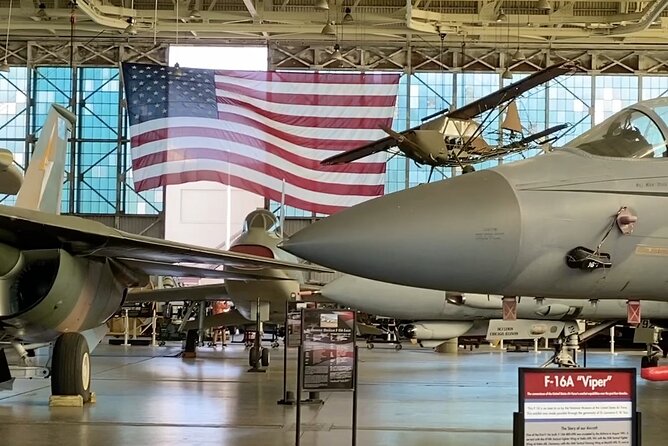
This is a strong choice if you care about WWII, aircraft, military history, or the human cost of Pearl Harbor. It also suits families with older children who can handle a serious subject and benefit from an interactive museum area afterward.
You do not need to be an aviation expert. The guide-led format helps explain why the aircraft matter, and the documentary supplies a short account of the attack. At the same time, a serious aircraft enthusiast may want more than the hour-long tour and should plan time for the full museum.
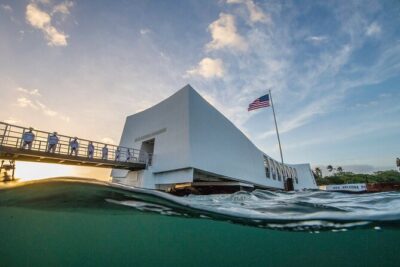
The experience is also worthwhile for someone visiting Pearl Harbor for the first time who wants more than a memorial stop. The USS Arizona Memorial is essential to many itineraries, but Ford Island adds the aviation and military context that helps explain how the attack unfolded.
Children under four are free, and children must be accompanied by an adult. Service animals are allowed, and most people can participate. The supplied details do not promise a fully step-free route or describe seating, so contact the provider if you need specific mobility information.
Practical timing for a Pearl Harbor day
The tour itself lasts about an hour and ends back at the museum meeting point. Build in extra time for general admission, the documentary, aircraft displays, the interactive area, and food if needed.
The museum is at 319 Lexington Boulevard on Ford Island. Free shuttle buses from the main Pearl Harbor area serve Ford Island attractions such as the Aviation Museum and USS Missouri. Security checks are part of the transfer, so keep your plans orderly and allow time rather than trying to make a tight connection.
Mobile tickets make entry simple, and confirmation is sent when you book. Choose a departure that leaves room around the rest of your Pearl Harbor reservations. The 60-minute guided slot is only one piece of a visit that can easily stretch to several hours.
Cancellation is flexible up to 24 hours before the start time for a full refund. Within 24 hours, you cannot receive a refund or make changes. The cut-off follows local time.
Should you book the Hangar Guided Tour?
Book it if you want the old hangars and their wartime scars explained by a human guide. The bullet holes, restoration work, USS Arizona fragment, attack weapons, and aircraft gain meaning when someone connects them in a clear story.
Skip the guided upgrade if you prefer self-guided museums, already know the Pacific War well, or have only enough time for a quick look. You can still see the museum’s aircraft and exhibits with general admission.
For most first-time Pearl Harbor visitors, I think the tour is a good use of $40.98, provided you stay afterward for the included museum. The best plan is simple: take the guided hour, watch East Wind, Rain, explore Hangars 37 and 79 at your own pace, then decide if the simulator is worth the extra cost.
FAQ
How long does the Hangar Guided Tour last?
The guided tour lasts approximately 60 minutes. Your ticket also includes general admission, so you can spend additional time exploring the museum afterward.
What does the ticket include?
It includes the docent-led Hangar Guided Tour and general admission to the Pearl Harbor Aviation Museum. Admission also covers exhibits such as MiG Alley, the museum store, and the East Wind, Rain documentary.
Are flight simulators included?
No. Combat flight simulators are not included and require an additional payment. The Top of the Tower Tour is also separate.
Where does the tour begin and end?
The tour begins at Pearl Harbor Aviation Museum, 319 Lexington Boulevard, Honolulu, Hawaii 96818. It ends back at the meeting point.
Are children allowed on the tour?
Yes. Children must be accompanied by an adult, and children under four years old are free.
Can I cancel for a refund?
Yes. You can cancel at least 24 hours before the experience start time for a full refund. Cancellations or changes made less than 24 hours before the start time are not accepted or refunded.
Just added around Oahu
- Kevo’s Beach Bus★ 5.0 · 3 reviews
- 2hr Luxury Private Sailing Catamaran for 7-12 People★ 5.0 · 3 reviews
- Mokulua Islands Self-Guided Kayak Adventure★ 3.5 · 3 reviews
- Night Ninja Adventure Course in Kapolei★ 3.5 · 3 reviews
- Arrival Lei Greeting –HNL to Waikiki Private Transfer★ 5.0 · 3 reviews
- Private “Limousine” USS Arizona Memorial & Cultural Honolulu Tour★ 5.0 · 3 reviews
- Surf Lessons get your Social Media video & photos you Surfing HI.★ 5.0 · 3 reviews
- (2nd)Diamond Head Hike w/ Malasada Starts at 7:00 a.m.★ 3.3 · 3 reviews
Guided, compared.

Moana’s Waikīkī Grand Guided Turtle Snorkel & Sailing Adventure
Read our review →
Oahu Island Full-Day Guided Tour by Bus with Lunch
Read our review →
Chief’s Official Pearl Harbor Self-Guided Multimedia Tour
Read our review →


Self guided Hike Trail to Nature Walk & Waterfall
Read our review →