Reviewed · TOURS
Honolulu: Liljestrand House Architectural Tour
The Liljestrand House offers something many Honolulu activities do not: a close look at a private home built around Hawaiian modern architecture. Vladimir Ossipoff’s design brings views, wood, art, and daily life into one carefully planned setting. I like the original furnishings and artworks, and I like that your $78 fee helps the Liljestrand Foundation care for the house.
The small group of no more than 10 keeps the visit personal, but this is not a casual drop-in. You must remove your shoes, leave large bags and camera poles behind, and prepare for heat because the house has no air-conditioning.
In This Review
- Key points to know before booking
- Why the Liljestrand House matters in Honolulu
- What your 90 minutes are really about
- Seeing Ossipoff’s design principles up close
- The Liljestrand family story
- Why the guide can change the experience
- The practical realities inside the house
- Is $78 a fair price?
- Who will enjoy this tour most
- How to fit it into a Honolulu day
- Cancellation and group details
- Should you book the Liljestrand House tour?
- FAQ
- How long does the Liljestrand House tour last?
- How much does the tour cost?
- What language is the tour conducted in?
- How many people are in each group?
- Do I need to remove my shoes?
- Are children allowed on the tour?
- Can I cancel for a full refund?
Key points to know before booking
- See Ossipoff’s view management in a real home: The design shows how sightlines and the setting guide your attention.
- Original furnishings and artworks remain in place: You are seeing the house as a complete design, not an empty shell.
- Guide Perry offers an unusual personal link: He lived on the mountain and knew architect Vladimir Ossipoff.
- The 90-minute visit stays intimate: Groups are limited to 10 people, with an English-speaking live guide.
- Your ticket supports preservation: The Liljestrand Foundation uses the house for education and cultural enrichment.
- Plan for bare feet and warm conditions: Fragile wood floors require shoe removal, and there is no air-conditioning.
Why the Liljestrand House matters in Honolulu
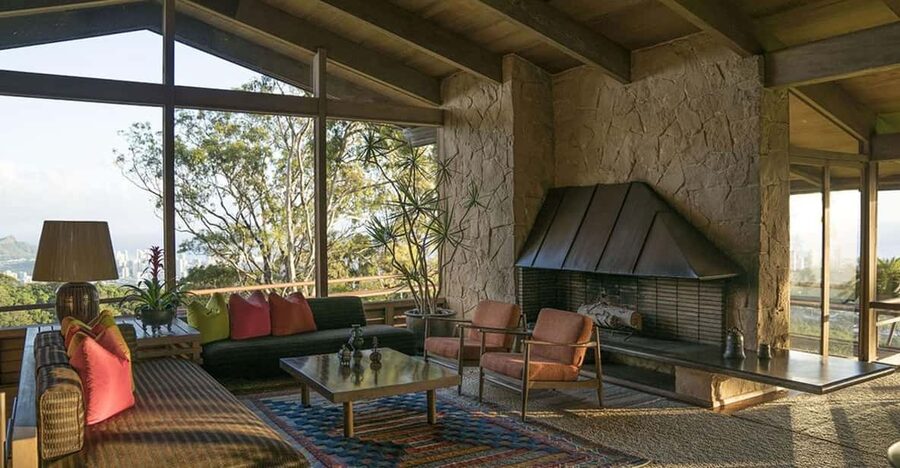
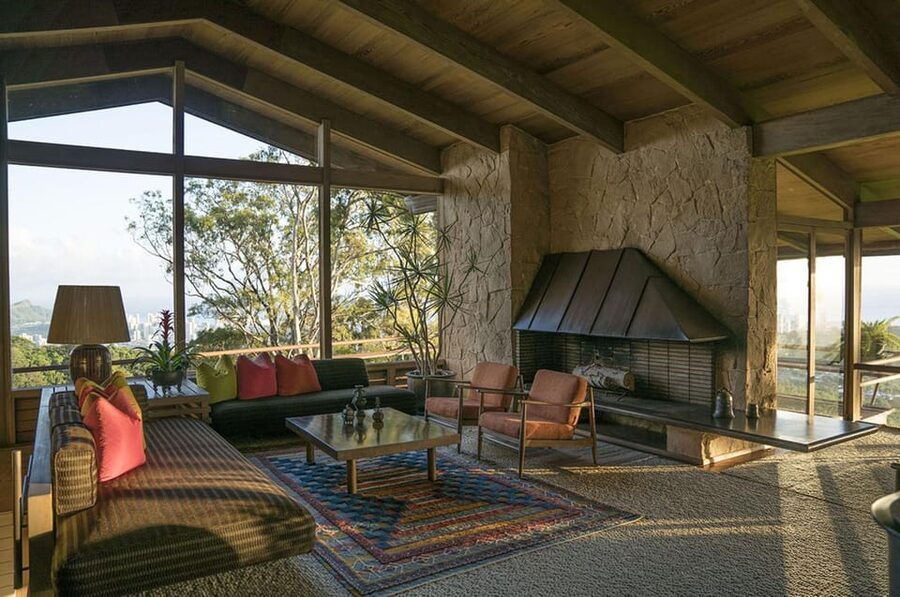
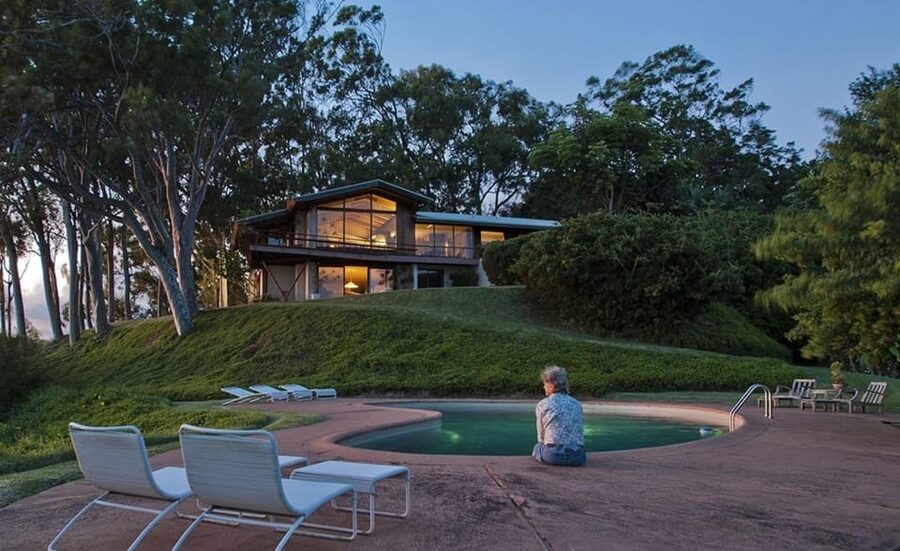
The Liljestrand House is a preserved example of the work of Vladimir Ossipoff, one of the key figures associated with Hawaiian modern architecture. Rather than treating a home as a sealed box, Ossipoff paid close attention to how it relates to its surroundings.
That idea is especially useful to see in person. In photographs, modern architecture can look spare or even cold. Inside this house, the design principles are easier to understand because you can see how the building, its materials, furnishings, artworks, and views work together.
I find the house most appealing as a complete work of design. You are not simply looking at a famous architect’s structure from the outside. The visit connects the architecture with the Liljestrand family and the way the home was lived in.
The family’s enduring friendship with Ossipoff adds a personal thread to the tour. That connection helps explain why the house has such a strong sense of purpose and why its preservation involves more than maintaining walls and floors.
Other Honolulu trips people compare with this one:
- Oahu Grand Circle Island and Haleiwa Tour: 9-Hr Deluxe Experience
★ 5.0 · 17,387 reviews - Oahu: Grand Tour Around Island 16 Locations plus Snorkeling
★ 5.0 · 8,669 reviews - Salute to Pearl Harbor Including USS Arizona
★ 4.5 · 7,433 reviews
What your 90 minutes are really about
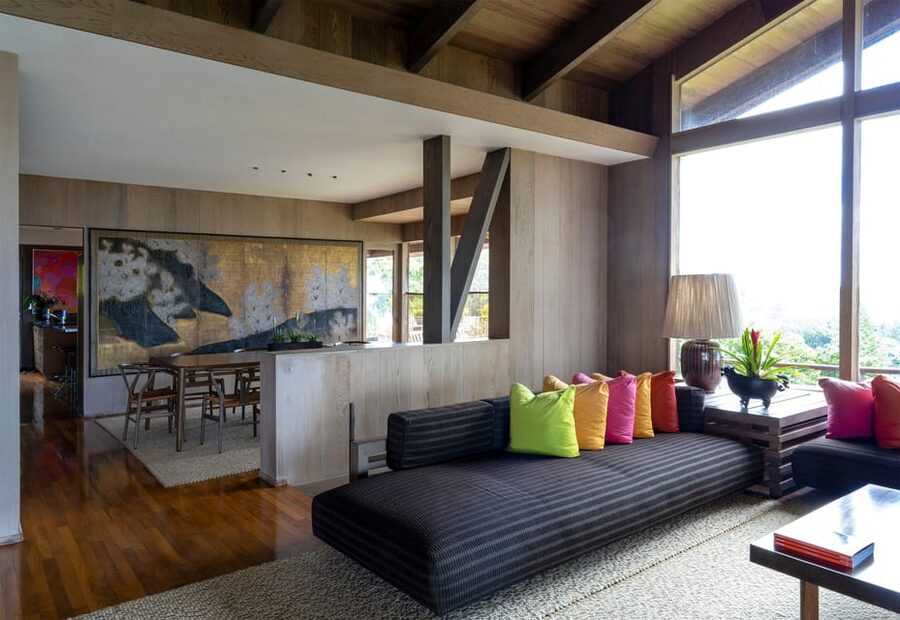
This is a focused house tour rather than a broad Honolulu sightseeing trip. Your 90 minutes are devoted to the building, the family story, Ossipoff’s ideas, and the details that make this property important.
The guide leads you through the preserved house and explains the design choices along the way. You will hear about the home’s construction and the thinking behind its arrangement, including the way Ossipoff managed views and used natural materials.
The tour also gives you time to look closely. That matters here. A quick walk through a historic house can leave you remembering only the broad style. A smaller group and a dedicated guide make it easier to notice the relationship between the structure and the objects inside it.
I would pay special attention to transitions between spaces, changes in outlook, wood surfaces, and the placement of furniture and art. The supplied details do not promise a specific room-by-room route, so the exact order may vary. The main point is that the house itself, rather than a long list of unrelated stops, receives the full attention of the visit.
Seeing Ossipoff’s design principles up close
Ossipoff’s approach comes through in two major ways: view management and the use of natural materials. View management means the architect carefully controlled what you see, from where you see it, and how the house frames its setting.
That can be easy to miss when you only hear the phrase in a lecture. In the Liljestrand House, your guide can connect the idea to actual sightlines and design decisions. You begin to see that a view is not just a bonus outside a window. It can shape the layout and mood of an entire home.
Natural materials add another layer. Wood is central to the experience, both as a design element and as something that needs protection. The request to remove your shoes is practical, but it also reminds you that this is a carefully preserved interior, not a standard museum floor.
Original furnishings and artworks help make the architecture legible. They show how the house was meant to function as a lived-in place. I prefer this kind of preservation to an empty room with a plaque because the objects give scale, texture, and context to the design.
The Liljestrand family story
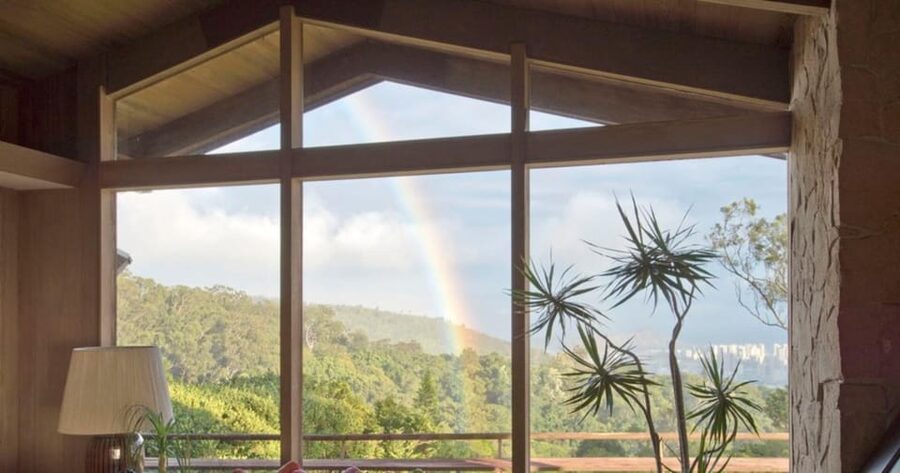
The architecture is the main reason to book, but the family connection keeps the tour from becoming a dry design lesson. You learn about the Liljestrand family and their friendship with Ossipoff, placing the house within a real relationship rather than treating it as an isolated creation.
That personal history also helps explain the house’s survival. The Liljestrand Foundation preserves the property and opens it for educational and cultural programs. Your visit supports that work directly.
There is a useful difference between seeing a restored building and seeing a preserved family home. A restored building may focus on appearance. A preserved home can communicate how architecture was intended to support everyday life, even when you do not receive every detail about the original residents.
The experience is strongest if you enjoy asking why a home looks and functions as it does. You do not need formal architectural training. Curiosity is enough. The guide’s job is to connect the physical details with the larger ideas.
A different sort of day, same island:
- Majestic Circle Island Tour with Lunch
★ 5.0 · 7,014 reviews - Oahu’s Ultimate Tour: Dole, Turtle Snorkel, Pali Lookout & More
★ 4.5 · 5,461 reviews - Oahu Circle Island Tour with Turtle Snorkeling— Small-Groups
★ 5.0 · 5,214 reviews - Oahu: Pearl Harbor USS Arizona Memorial
★ 4.5 · 5,209 reviews
Why the guide can change the experience
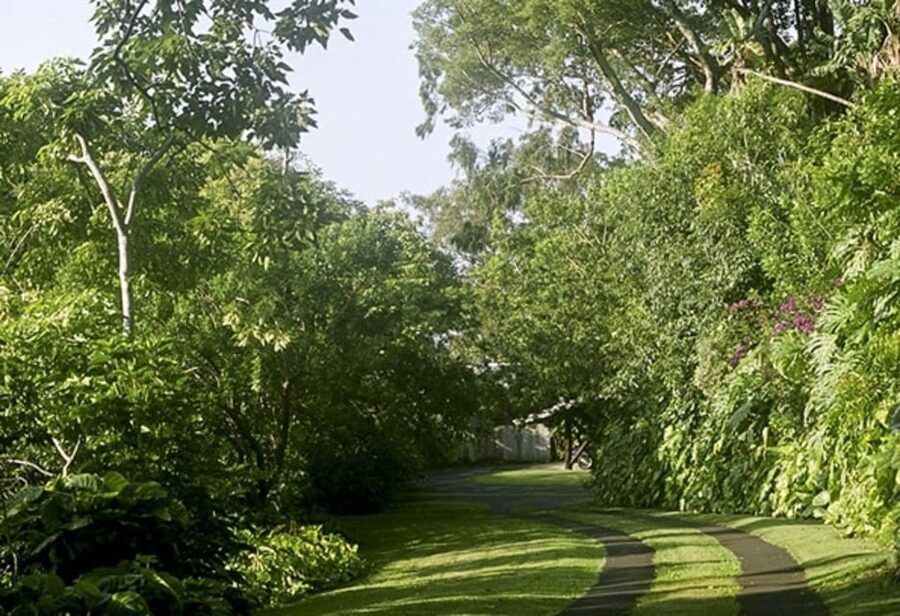
This tour depends heavily on the person leading it. A guide can point out a piece of furniture, a framed artwork, or a carefully handled view, then connect it to Ossipoff’s larger approach.
Perry is a particularly interesting guide when he leads the visit. He lived on the mountain and knew Ossipoff, giving him a personal link that goes beyond memorized facts. That kind of background can add texture to a tour of a house where personal relationships matter.
The information provided does not guarantee that Perry leads every departure, so you should not book expecting a specific guide unless your reservation confirms it. Still, his connection shows the kind of firsthand perspective that can make this visit special.
Because the group is limited to 10, you should have a better chance to hear the guide and ask a question than on a large coach tour. This is not a private tour, but it has the feel of a small educational visit.
The practical realities inside the house
The most important preparation is simple: wear shoes that are easy to remove. You will be asked to go barefoot to protect the fragile wood floors.
Leave backpacks, large bags, tripods, extension poles, and selfie-sticks behind. Smoking and vaping are not permitted. These restrictions may feel strict if you are used to photographing every stop, but they protect the house and help keep the rooms clear.
The home is not air-conditioned. Summer and fall can be quite hot, so choose light clothing and consider how comfortable you are in warm indoor conditions. The tour lasts 90 minutes, which is long enough for the heat to matter.
Photography equipment can also affect your planning. Since tripods, extension poles, and selfie-sticks are not allowed, bring only what is permitted by the house rules. The information provided does not specify a full photography policy, so follow the guide’s instructions once you arrive.
Children under 10 are not permitted. For older children and teenagers, the tour will work best if they already have some interest in houses, art, history, or design. It is a quiet, detail-focused experience, not an activity built around entertainment.
Is $78 a fair price?
At $78 per person, this is not a budget sightseeing stop. The value depends on what you want from Honolulu.
If you are looking for a quick photo opportunity, the price may feel high for 90 minutes at one property. You are paying for an intimate guided visit, access to a preserved private house, and a specialized subject rather than a general city tour.
For someone interested in architecture, design, preservation, or Honolulu’s cultural story, the cost is easier to justify. The small group limit matters because the house is fragile and the experience depends on seeing details and hearing the guide.
Your ticket also supports the Liljestrand Foundation’s preservation work. That does not make the price automatically right for every budget, but it gives the admission a purpose beyond simple entry. You are helping keep the house available for future educational and cultural use.
I would compare this with the price of other single-site cultural visits in Honolulu, not with a full-day tour that includes transport and several attractions. This is a specialist experience. Its value comes from access, interpretation, and the quality of the preserved interior.
Who will enjoy this tour most
I would recommend the Liljestrand House to:
- People who enjoy architecture and mid-century design
- Visitors who want a quieter alternative to crowded Honolulu attractions
- Anyone curious about Hawaiian modern architecture
- Art and furniture enthusiasts
- Supporters of historic preservation
- Adults and children over 10 who enjoy guided cultural visits
You do not need to be an architect. The tour is designed to explain Ossipoff’s principles through the house itself, so you can appreciate the visit at a basic or highly detailed level.
I would be more cautious if your main goal is air-conditioned comfort, extensive photography, or a flexible walk-through at your own pace. The rules are part of the experience, and the house can become hot.
The visit may also be less suitable for anyone who dislikes removing shoes or prefers large, lively group tours. Its quiet pace and small scale are strengths for some people and limits for others.
How to fit it into a Honolulu day
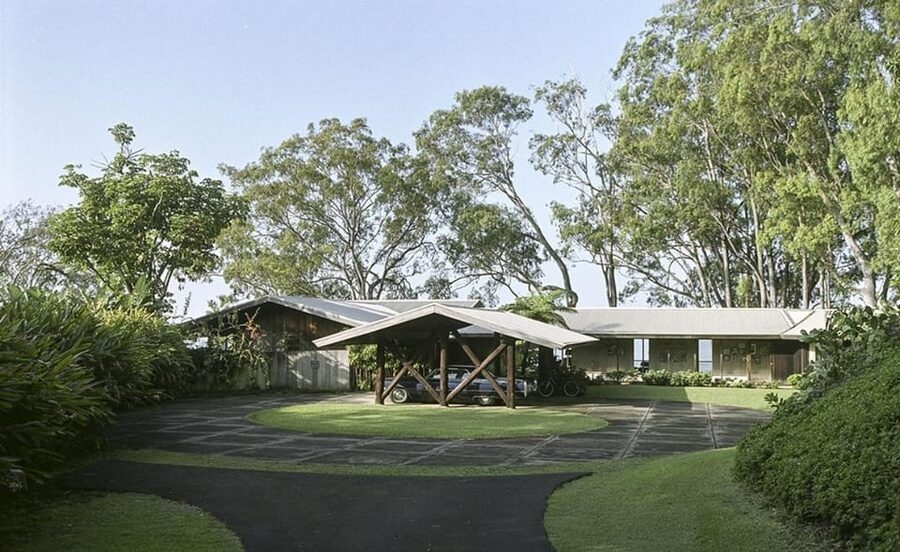
The 90-minute length makes the tour easier to add to a larger Honolulu plan than a half-day excursion. Still, allow enough time around the scheduled start because the experience has a fixed duration and a small group.
I would avoid placing it between activities that require heavy bags or bulky camera gear. Backpacks and large bags are not permitted, so plan your day with that restriction in mind.
A warm day calls for practical planning. Drink water before the tour and wear comfortable clothing, since the house has no air-conditioning. You may also want to avoid scheduling a strenuous outdoor activity immediately afterward if you do not handle heat well.
The visit works best when you give it mental space. Arriving rushed from another attraction can make it harder to notice the design details. This is a stop for looking carefully, listening, and thinking about how a home can shape your experience of its setting.
Cancellation and group details
You can cancel up to three days in advance for a full refund. That is useful if your Honolulu schedule is still shifting, but check the exact deadline attached to your booking.
The live tour is conducted in English. Groups are limited to 10 participants, and the $78 price is per person. Starting times vary, so check availability before building the rest of your day around the visit.
The admission includes entry to the Liljestrand House and a tour guide. No transport, meals, or other inclusions are stated, so arrange those separately and confirm the meeting details when booking.
Should you book the Liljestrand House tour?
Book it if you want to understand Honolulu through architecture rather than simply pass through it. The combination of Ossipoff’s design principles, original furnishings and artworks, the Liljestrand family story, and the preservation mission gives the 90 minutes real substance.
I especially recommend it to adults who enjoy mid-century homes and to anyone who values access to places that are not open like ordinary public attractions. Perry’s personal connection to Ossipoff can make the tour even more rewarding when he is your guide.
Skip it if you want air-conditioning, unrestricted photography, or an activity suitable for children under 10. For the right audience, though, the $78 ticket buys a rare look at a preserved Hawaiian modern home and helps keep that work available.
FAQ
How long does the Liljestrand House tour last?
The tour lasts 90 minutes.
How much does the tour cost?
The listed price is $78 per person.
What language is the tour conducted in?
The live tour guide speaks English.
How many people are in each group?
The group is limited to 10 participants.
Do I need to remove my shoes?
Yes. Visitors are asked to remove their shoes because the wood floors are fragile.
Are children allowed on the tour?
Children under 10 are not permitted.
Can I cancel for a full refund?
Yes. You can cancel up to three days in advance for a full refund.
Just added around Honolulu
- Kevo’s Beach Bus★ 5.0 · 3 reviews
- Private “Limousine” USS Arizona Memorial & Cultural Honolulu Tour★ 5.0 · 3 reviews
- Arrival Lei Greeting –HNL to Waikiki Private Transfer★ 5.0 · 3 reviews
- Private Full-Day Circle Island Guided Small-Group up to 6 (Se habla Español)★ 5.0 · 3 reviews
- Waikiki: Sunset Swim & Sailing Experience★ 4.5 · 3 reviews
- Private Customizable Grand Circle Island Tour on Oahu★ 5.0 · 3 reviews
- Oahu : Hanauma Bay Reservation+Equipment Rental★ 3.3 · 3 reviews
- Pearl Harbor USS Arizona & Bowfin Submarine★ 4.5 · 3 reviews
Tours, compared.
Oahu Grand Circle Island and Haleiwa Tour: 9-Hr Deluxe Experience
Read our review →
Grand Tour Around Island 16 Locations plus Snorkeling
Read our review →

Oahu’s Ultimate Tour: Dole, Turtle Snorkel, Pali Lookout & More
Read our review →
Oahu Circle Island Tour with Turtle Snorkeling— Small-Groups
Read our review →

Pearl Harbor, USS Arizona Memorial & Honolulu City Tour
Read our review →