
Reviewed · LUAU SHOWS
Oahu: Polynesian Cultural Center Island Villages Ticket
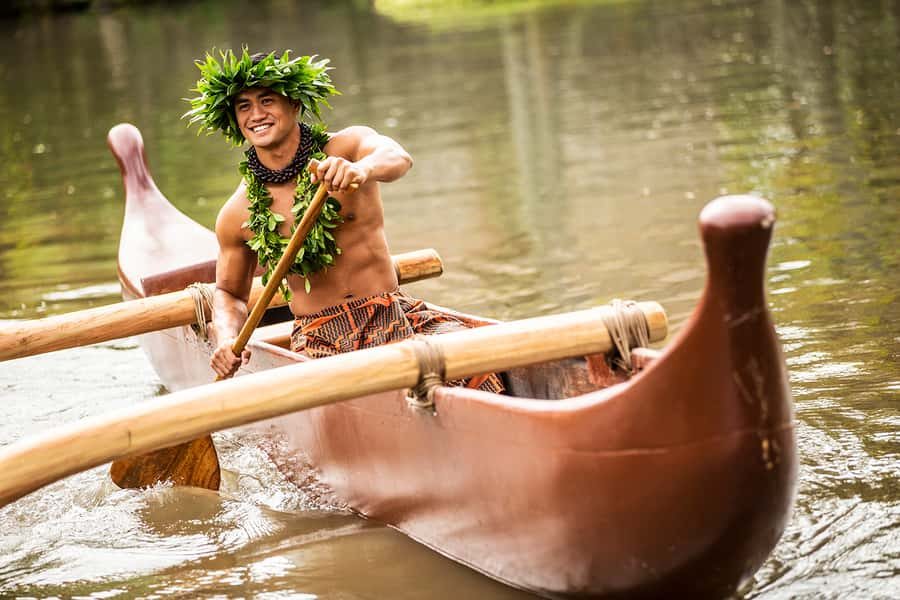
The Polynesian Cultural Center lets you visit six Pacific cultures in one afternoon, from a coconut cracking demonstration in Samoa to the powerful Haka in Aotearoa. You move at your own pace, but the timed presentations give the day a useful rhythm.
I like the hands-on activities, especially the canoe paddling, spear throwing, fishing, games, and temporary tattoo. I also like the way the villages offer more than staged dancing, with food, traditional buildings, crafts, and explanations of daily life.
The catch is price. At $103 per person, this ticket covers only the Island Villages, not a luau or evening show. If you want the full Polynesian Cultural Center program, your final cost will be higher.
In This Review
- Key points to know before you go
- Six island villages in one afternoon
- Hawaii: food, hula, games, and fishing
- Aotearoa: Maori symbols and the Haka
- Fiji: music, dance, and the chief’s home
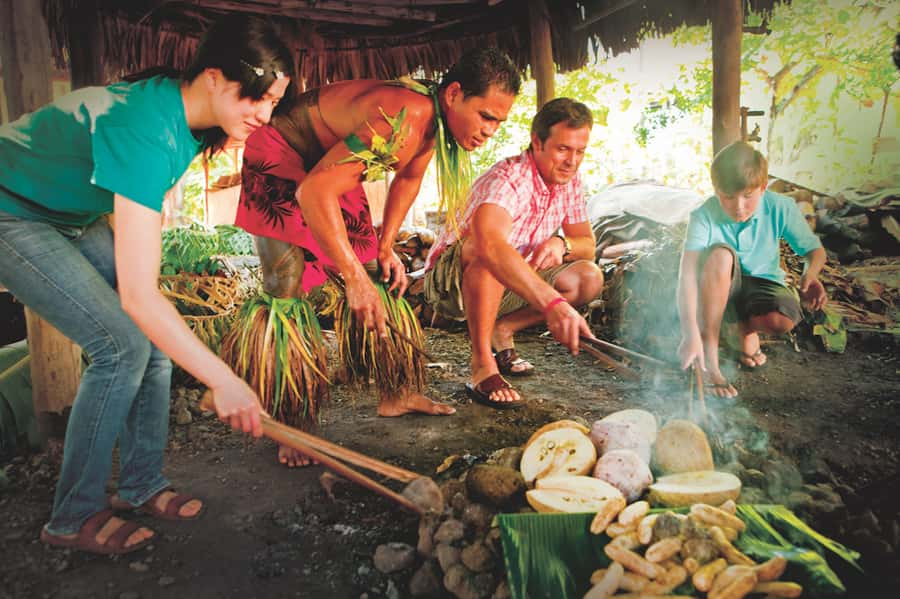
- Samoa: coconuts, fire, and traditional skills
- Tahiti: fishing, dancing, and spear throwing
- Tonga: canoeing, games, and royal traditions
- How to plan the five-hour visit
- What the $103 ticket really includes
- Who will enjoy this most
- Should you book the Island Villages ticket?
- FAQ
- How long is the Polynesian Cultural Center Island Villages ticket valid?
- Which villages are included?
- Are the luau and evening shows included?
- Is transportation included?
- Are food and drinks included?
- What time are the cultural presentations held?
- Is the activity wheelchair accessible?
- What language is used?
- What should I bring?
Key points to know before you go
- Six Pacific cultures in one ticket: Visit Hawaii, Aotearoa, Fiji, Tahiti, Tonga, and Samoa.
- A five-hour visit: Your ticket runs for five hours from first activation, so plan your route before wandering.
- Timed presentations matter: Each village has set cultural demonstrations, and missing one can mean waiting for the next.
- Hands-on learning: Try fishing, spear throwing, fire starting, canoe paddling, poi balls, games, and temporary tattoo designs.
- Food is separate: Traditional Hawaiian food is available to taste, but food and drinks are not included in the ticket.
- Shows are not included: Luaus and other shows require a separate ticket.
Six island villages in one afternoon
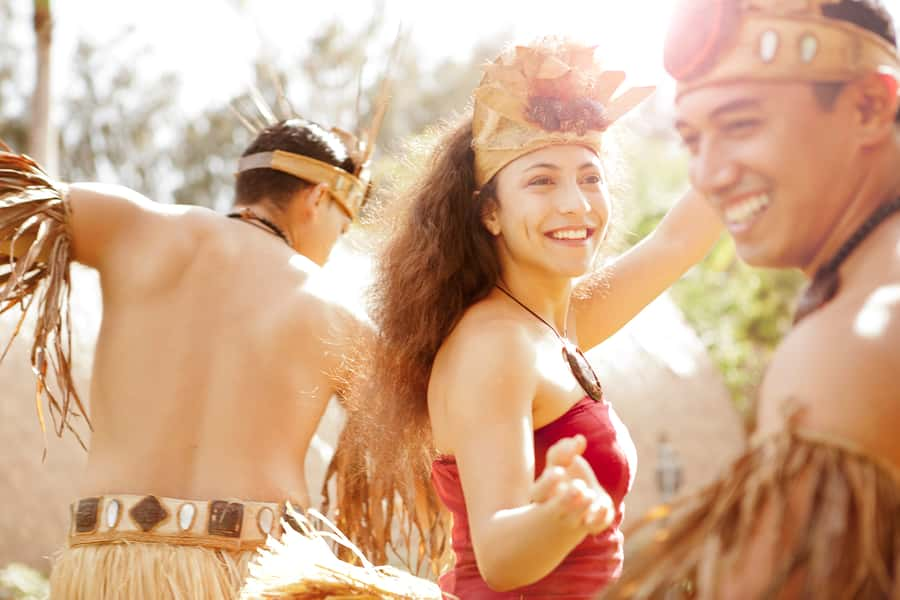
The main appeal here is variety. In a single visit, you can move from Hawaiian games to Maori traditions, then hear Fijian music, watch a Samoan fire-starting demonstration, practice Tahitian spear throwing, and paddle a Tongan outrigger canoe.
That variety makes the center a useful introduction to Polynesia, especially if your Oahu trip is short. You are not studying one culture in great depth, but you get clear snapshots of six different island traditions. The activities help keep the visit lively for children and adults who prefer doing something to simply reading signs.
Your admission lasts five hours from the moment you first activate it. That sounds generous, but the villages are spread across a large cultural center and the demonstrations follow different schedules. I would arrive with a rough plan, then leave room for wandering, food, and the activities that catch your attention.
Presentations are offered roughly between 1 PM and 5 PM. The times vary by village, so check them at the start of your visit. Hawaii and Samoa offer the most frequent sessions, while Aotearoa and Tonga have fewer choices.
More luaus and island shows:
- Paradise Cove Luau
★ 4.5 · 4,498 reviews - Toa Luau at Waimea Valley, Oahu
★ 5.0 · 3,350 reviews - Chief’s Luau Admission
★ 4.5 · 3,018 reviews
Hawaii: food, hula, games, and fishing
The Hawaii village is a natural starting point because it introduces traditions connected to the islands you are visiting. You can learn ancient dances and games with cultural ambassadors, hear about hula, try fishing, and sample traditional Hawaiian food.
The food tasting is a useful touch. It gives you a small sense of how local ingredients and preparation fit into island life, rather than treating culture as something you only watch from a seat. Keep in mind that food and drinks are not part of the $103 admission price, so any additional meal or purchase increases the cost.
The village offers presentations at approximately 1 PM, 2 PM, 3 PM, 4 PM, and 5 PM. That frequent schedule makes Hawaii one of the easiest places to fit into a busy route. If you arrive later in the afternoon, it may be the best first stop.
Hula is presented here as more than a familiar tourist symbol. You get a chance to learn about the dance and try movements yourself. The games and fishing activity also make the visit less passive. You may find this section especially helpful if you want a gentle introduction before tackling the more energetic demonstrations elsewhere.
Aotearoa: Maori symbols and the Haka
Aotearoa, the Maori name for New Zealand, brings a different mood. Here you can learn about Maori tattoos and their symbolism, play with poi balls, and watch the Haka warrior dance.
The tattoo presentation focuses on meaning rather than simply appearance. That matters because temporary designs and body markings can easily be treated as decoration without context. Take time to listen to the explanation before trying any related activity.
Poi balls offer a chance to test your coordination. The movement looks simple until you try it, which makes it a good shared activity for families or friends. The Haka provides the village’s strongest visual moment, with forceful movement and rhythm rather than a quiet dance lesson.
Aotearoa presentations are scheduled at approximately 1:30 PM, 3:30 PM, and 4:30 PM. There are long gaps between some sessions, so plan around this village instead of assuming you can return at any time. If the Haka is high on your list, note the next performance as soon as you arrive.
Fiji: music, dance, and the chief’s home
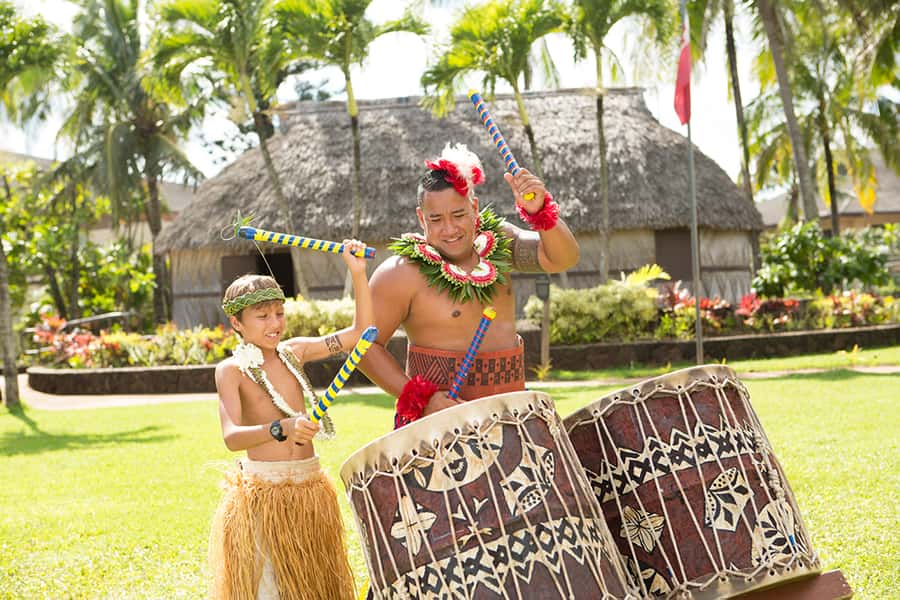
The Fijian Village centers on music and dance, with a chance to feel the rhythm and energy of a live cultural presentation. You can also learn how coconut oil is made, receive a temporary tattoo, and enter the home of a chief.
The coconut oil activity gives you a closer look at practical island skills. It connects the plant to everyday use, rather than presenting the coconut only as a snack or photo opportunity. The chief’s home adds another layer by showing how architecture and social status can be represented in a village setting.
Fiji offers presentations at approximately 1:30 PM, 2:30 PM, 3:30 PM, and 4:30 PM. Its regular schedule makes it easier to pair with Hawaii or Samoa. If you are trying to see all six villages, use Fiji as a flexible stop between the less frequent Aotearoa sessions.
The temporary tattoo is a nice souvenir because it is part of an explanation about cultural design. Still, remember that a temporary tattoo is an activity, not a permanent cultural experience. Listen carefully to the meaning behind the symbols and treat the design with respect.
A few more Oahu days out worth weighing up
- Waikiki Luau Buffet with Optional Rock-A-Hula Show Ticket
★ 4.5 · 1,572 reviews - Rock-A-Hula Ticket
★ 4.5 · 448 reviews - Bishop Museum General Admission Ticket
★ 4.5 · 243 reviews - Polynesian Cultural Center: Islands of Polynesia Admission Ticket
★ 4.5 · 233 reviews
Samoa: coconuts, fire, and traditional skills
Samoa is described as the most popular village, and it is easy to see why. The demonstrations are practical and visual. You may watch a coconut get picked fresh, see it cracked open, learn how to start a fire in the old-fashioned way, weave a fish, and watch island food being cooked.
The coconut demonstration is a particularly good example of the center’s approach. A familiar object becomes a lesson in tools, labor, food, and daily life. It is quick to understand, but it also gives you something concrete to remember after the visit.
The village’s traditional architecture helps set the scene. You can connect the demonstrations to the structures around you, which makes the stop feel more coherent than a series of unrelated stage acts. Fire starting and fish weaving add practical skills that children can follow easily, while adults may appreciate the problem-solving involved.
Samoa has presentations at approximately 1 PM, 2 PM, 3 PM, 4 PM, and 4:30 PM. Along with Hawaii, it offers one of the most forgiving schedules. If you are late arriving or spend extra time at another village, Samoa is easier to fit in than Aotearoa or Tahiti.
Because this village can draw the most attention, give yourself enough time to move between activities. The ticket does not guarantee that every activity will be immediately available at the moment you arrive, so some patience may be needed.
Tahiti: fishing, dancing, and spear throwing
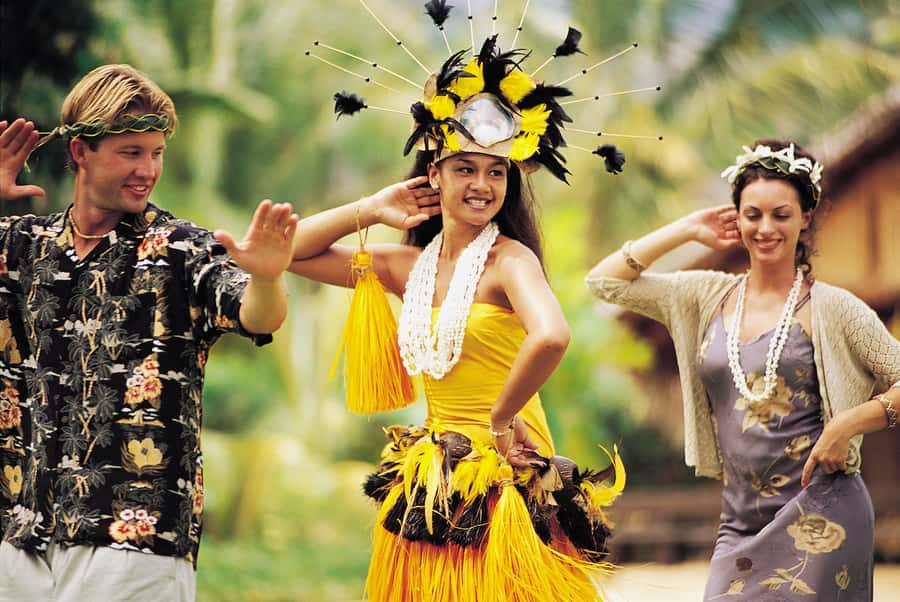
Tahiti offers a mix of romance, skill, and royal history. You can try fishing with a pole, learn a romantic dance, practice spear throwing, and hear about pearl farms, tattoos, and Tahitian royalty.
The fishing activity provides a quieter change of pace after the louder dance presentations. Spear throwing, by contrast, gives you a direct physical challenge. It is a reminder that many island traditions are tied to food gathering and practical skills, not just performance.
The romantic dance lesson is likely to appeal to couples, though you do not need to arrive as a pair to enjoy the presentation. The history of pearl farms and Tahitian royalty adds useful background to the activities. It helps explain why certain objects, designs, and customs carry meaning.
Tahiti’s presentations are offered at approximately 1:30 PM, 2:30 PM, 3 PM, and 4 PM. The schedule is fairly regular but has no 5 PM session. If you arrive late, place Tahiti ahead of villages with more frequent demonstrations.
You should wear comfortable shoes for this stop and the entire center. There is active participation throughout the villages, and high-heeled shoes are not allowed. Weapons and sharp objects are also prohibited, so bring only ordinary personal items.
Tonga: canoeing, games, and royal traditions
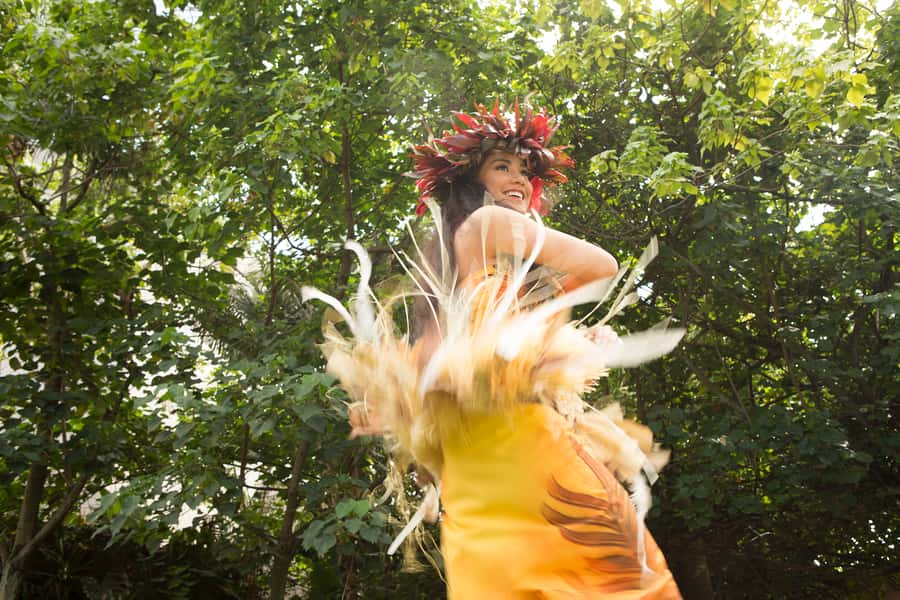
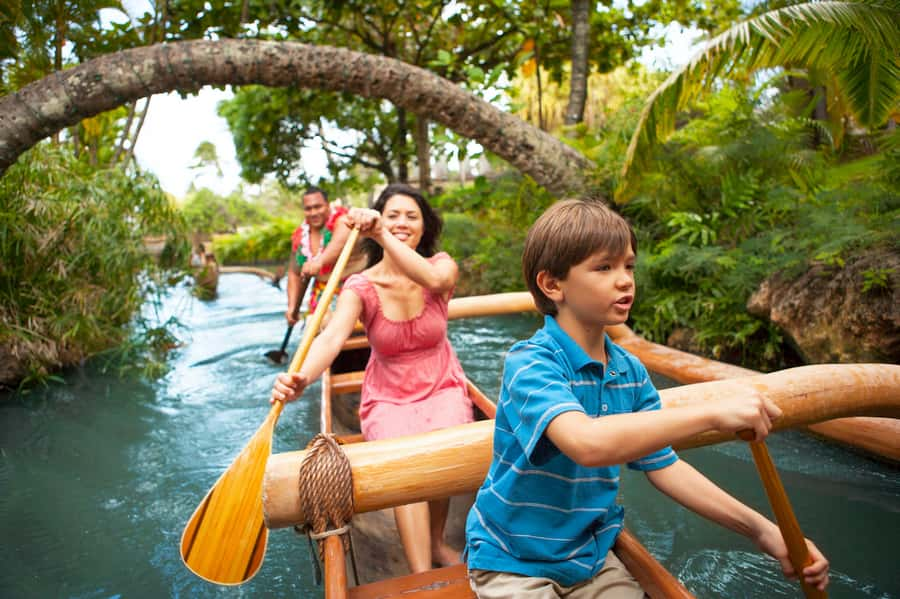
Tonga brings music, dance, and movement into the final part of the village circuit. You can learn how to dance without standing, watch a lively performance, paddle an outrigger canoe, try Tongan games, and learn what it feels like to be a queen.
The seated dance lesson is an amusing contrast to the more athletic activities elsewhere. It also shows how dance can use hand and upper-body movements when the feet remain still. The canoe activity adds a hands-on moment that many people will remember more clearly than a standard performance.
Tongan games give you another way to participate without needing specialist knowledge. The presentation about queens adds a social and ceremonial element, balancing the physical activities.
Tonga’s sessions are scheduled at approximately 1:30 PM, 2:30 PM, 3:30 PM, 4:30 PM, and 5 PM. This is one of the better villages for a later visit. If you are still making your way through the center near closing time, Tonga gives you a final chance to catch a presentation.
How to plan the five-hour visit

The biggest planning mistake is treating the center like six open museums. You can explore at your own pace, but the cultural presentations happen at specific times. A little planning will help you see more without spending the whole afternoon hurrying between villages.
Start by identifying the two or three presentations you most want to see. The Haka, coconut cracking, fire starting, canoe paddling, and Tahitian spear throwing are likely to be the most sought-after activities. Then use the village schedules to build a loose route around them.
You do not need to follow every presentation. Five hours is long enough to sample all six villages, but it may not be enough to attend every demonstration, repeat your favorite activity, eat a full meal, and linger at every structure.
I would allow time for walking between areas and for waiting at popular activities. Comfortable shoes are important, especially if you plan to visit all six villages. Bring a relaxed attitude about timing. This works better as an afternoon of discovery than as a checklist.
The center is wheelchair accessible, which makes the general admission suitable for visitors who need accessible facilities. The host or greeter speaks English, and the activity information is provided in English.
What the $103 ticket really includes
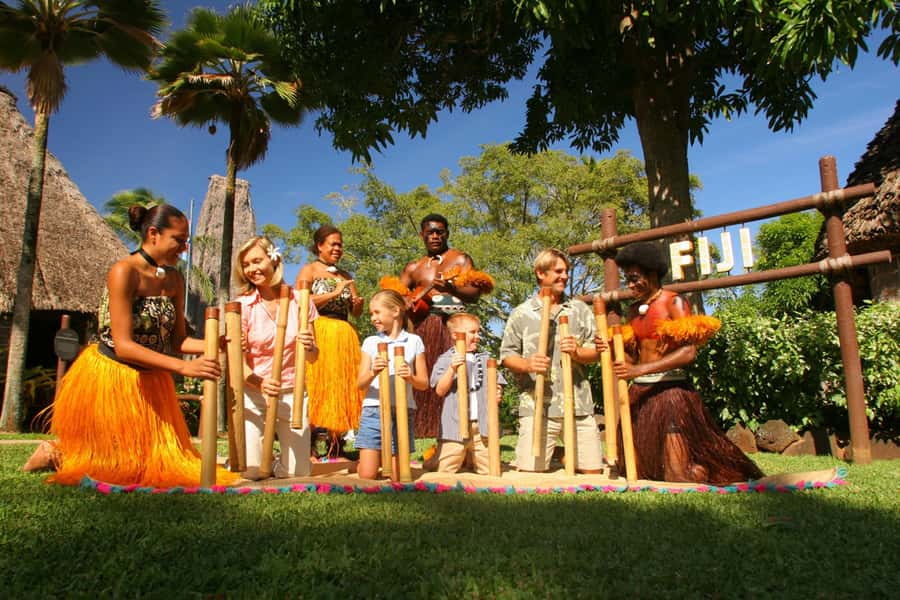
At $103 per person, this is not a casual low-cost attraction. The price buys admission to the six Island Villages for five hours, along with access to their presentations and activities. It does not include transportation, food, drinks, luaus, or other shows.
The value depends on how actively you use the ticket. If you attend several presentations, join the hands-on activities, and stay for most of the five-hour period, the cost is easier to justify. If you only want to stroll through a few areas for two hours, it will feel expensive.
The separate charge for luaus and shows is important. Some people arrive expecting a complete evening program and discover that this ticket covers only the village admission. Read the package carefully when booking so you do not confuse the daytime cultural visit with the larger evening experience.
The price may be easier to accept for families who want many different activities in one place. Children can try games, fishing, fire starting, poi balls, and canoeing instead of spending the whole visit sitting quietly. Adults who want detailed historical study may find the short presentations less satisfying, but the range of traditions gives you a useful first look.
Who will enjoy this most
I would recommend this experience to families, first-time visitors to Oahu, and anyone who wants a broad introduction to Polynesian cultures. The activities give children a reason to pay attention, while the food, architecture, tattoos, music, and royal traditions offer plenty for adults.
It also suits a cloudy afternoon. Much of the appeal comes from presentations and hands-on demonstrations, so the day does not depend entirely on clear skies or scenic views. That said, you should still wear practical clothing and shoes for walking and participation.
You may want a different experience if your main goal is a luau, a stage show, or a quiet historical museum. Those are not included here. You should also think twice if $103 feels high for a five-hour admission and you are unlikely to attend several presentations.
The center presents six cultures in a visitor-friendly format. That can be a strength when you have limited time, but it also means each culture receives only part of your afternoon. Approach it as an introduction, not as a substitute for visiting every island or learning every tradition in detail.
Should you book the Island Villages ticket?
Book it if you want an active afternoon with six distinct cultural areas, clear presentation times, and plenty of chances to participate. I especially like it for families and curious first-time visitors who would rather try poi balls, paddle a canoe, or crack a coconut than sit through a long lecture.
Think carefully about the cost before booking. The $103 ticket does not include transportation, food, drinks, luaus, or shows. If you want those extras, compare the total price of a larger package before deciding.
My practical advice is to choose your must-see presentations before you arrive, then use the five hours at a comfortable pace. If you do that, the ticket offers a lively and useful introduction to Hawaii, Aotearoa, Fiji, Tahiti, Tonga, and Samoa.
FAQ
How long is the Polynesian Cultural Center Island Villages ticket valid?
The ticket is valid for five hours from the time you first activate it.
Which villages are included?
Admission includes the villages representing Hawaii, Aotearoa, Fiji, Tahiti, Tonga, and Samoa.
Are the luau and evening shows included?
No. This ticket covers the Island Villages only. Luaus and shows require a separate ticket.
Is transportation included?
No. Transportation to the Polynesian Cultural Center is not included.
Are food and drinks included?
No. Food and drinks are not included, although you can taste traditional Hawaiian food as part of the Hawaii village experience.
What time are the cultural presentations held?
Presentations take place approximately between 1 PM and 5 PM. Each village follows its own schedule, with times listed for Hawaii, Aotearoa, Fiji, Samoa, Tahiti, and Tonga.
Is the activity wheelchair accessible?
Yes. The activity is wheelchair accessible.
What language is used?
The host or greeter speaks English, and the additional activity information lists English as the available language.
What should I bring?
Bring comfortable shoes. High-heeled shoes, weapons, sharp objects, alcohol, and drugs are not allowed.
Just added around Oahu
- Kevo’s Beach Bus★ 5.0 · 3 reviews
- 2hr Luxury Private Sailing Catamaran for 7-12 People★ 5.0 · 3 reviews
- Mokulua Islands Self-Guided Kayak Adventure★ 3.5 · 3 reviews
- Night Ninja Adventure Course in Kapolei★ 3.5 · 3 reviews
- Arrival Lei Greeting –HNL to Waikiki Private Transfer★ 5.0 · 3 reviews
- Private “Limousine” USS Arizona Memorial & Cultural Honolulu Tour★ 5.0 · 3 reviews
- Surf Lessons get your Social Media video & photos you Surfing HI.★ 5.0 · 3 reviews
- (2nd)Diamond Head Hike w/ Malasada Starts at 7:00 a.m.★ 3.3 · 3 reviews
Luau Shows, compared.

Mauka Warriors Luau Honoring Polynesia’s Forgotten History
Read our review →
Waikiki Luau Buffet with Optional Rock-A-Hula Show Ticket
Read our review →
Ka Moana Lūʻau at Aloha Tower – Oceanfront Luau Show
Read our review →
Ka Moana Luau Dinner and Show at Aloha Tower
Read our review →
Browse the lists this tour appears in