
Reviewed · SCUBA DIVING
Open Water Scuba Certification
Getting an SSI scuba certification in Hawaii means more than checking off a resort activity. You spend four training days learning how to manage equipment, breathe underwater, handle basic problems, and move through the ocean with care. Between practice sessions, you may spot sea turtles, octopuses, and tropical fish over Hawaii’s coral reefs.
I like the patient, safety-minded teaching, with instructors such as Hunter, Anna, Chandler, Ed, and Lenny earning special praise for clear explanations and calm support. I also like the small maximum group size of eight, plus the four logged local ocean sessions included in the course. The main drawback is the schedule: this is built for two consecutive weekends, not a quick holiday add-on, and the course cannot be refunded or changed after booking.
In This Review
- Key points to know before booking
- What this Honolulu certification course really involves
- Day one: final exam review and beach-based skills
- Day two: two ocean sessions and the first real test
- Day three: returning to confined water
- Day four: four checkout sessions complete the qualification
- The instructors and teaching style
- What the $495 price includes
- Timing, health, and the practical details
- Who should choose this course
- Should you book the Honolulu SSI course?
- FAQ
- How long does the open-water scuba course take?
- Where does the course begin?
- What happens on the first training day?
- How many ocean sessions are included?
- Is scuba equipment included?
- What certification do I receive?
- Can I fly soon after the course?
Key points to know before booking
- Four training days over two weekends: You complete the course in four parts, with study, confined-water practice, and four ocean sessions.
- SSI certification included: Finish the required work and you earn an Open Water Scuba Certification from Scuba Schools International.
- Personal gear costs extra: Scuba equipment is supplied, but you must bring a mask, snorkel, fins, and boots or budget from $175 for those items.
- Early Honolulu start: Meet at Honolulu Scuba Company, 670 Auahi Street, Suite A-1, at 7:00 a.m., and arrange your own transportation.
- Small class setting: The course accepts no more than eight participants, which matters when you are learning unfamiliar skills.
- Plan around flights and health: Do not schedule scuba activity within 48 hours of flying, and check with a doctor if you have conditions such as asthma or heart problems.
What this Honolulu certification course really involves
This is a full entry-level course, not a one-time tryout with a quick briefing. You work toward a recognized SSI qualification by completing digital study, a final exam review, confined-water training, and four local ocean sessions.
That structure is useful because scuba has a learning curve. At first, even simple tasks can feel busy. You are handling a tank, regulator, mask, buoyancy equipment, and underwater hand signals while getting used to breathing in a new way. Repeating the skills over two weekends gives you time to absorb them instead of rushing through one long day.
The course is designed with local residents in mind, but you can join if you can attend every scheduled session. That distinction matters. If your Honolulu visit lasts only four or five days, this course will not fit. If you are staying longer, or already live on Oahu, it can turn a holiday into the start of a lasting ocean hobby.
You receive digital learning materials, and you must complete that work before the first in-person class. Contact the company directly for access. Do not leave the online portion until the night before. The classroom time is meant for reviewing the final exam and practicing physical skills, not for learning every basic term from scratch.
More dive trips off Oahu:
- First-Time Scuba Diving in Honolulu + Free Videos
★ 5.0 · 3,123 reviews - Beginner Scuba Diving Experience with Video Package in Honolulu
★ 5.0 · 877 reviews - Dive with Sharks in Hawaii: Shark Tour from Haleiwa
★ 5.0 · 468 reviews
Day one: final exam review and beach-based skills
Your first in-person day begins at 7:00 a.m. at the Honolulu Scuba Company location on Auahi Street. You need your own transportation, and the activity returns to the same meeting point when the day is finished.
The morning focuses on reviewing the final exam and beginning confined-water training from the beach. Confined water is the bridge between studying scuba on a screen and using the equipment in the sea. Here you practice the basic actions that later become second nature, such as setting up gear, breathing through the regulator, clearing a mask, and responding to common equipment situations.
The beach setting has a practical advantage. You can concentrate on the instructor and your equipment without immediately dealing with a full ocean session. If you feel nervous, this is where patient instruction makes the biggest difference. Lenny, Hunter, Chandler, Ed, and Anna are among the instructors associated with particularly calm and thorough teaching, but your assigned instructor may vary.
Expect the first day to be tiring in a quiet way. Scuba training requires attention, communication, and repeated movement in the water. You should arrive with a moderate level of physical fitness and enough patience to repeat a skill until it feels controlled.
Day two: two ocean sessions and the first real test
The second day moves from practice into the ocean, with two scuba sessions. This is when you begin applying the skills under real conditions rather than in a controlled beach training setting.
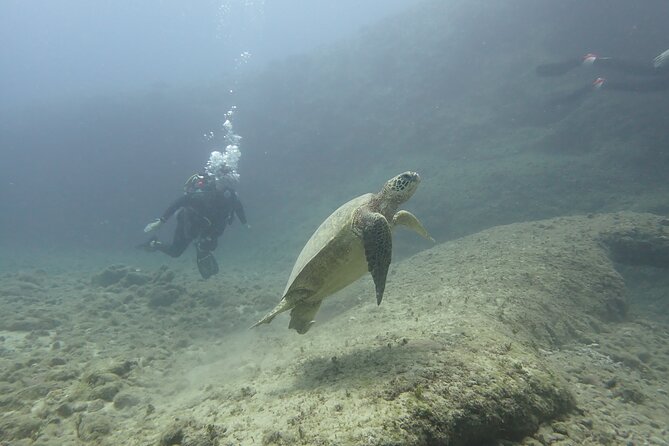
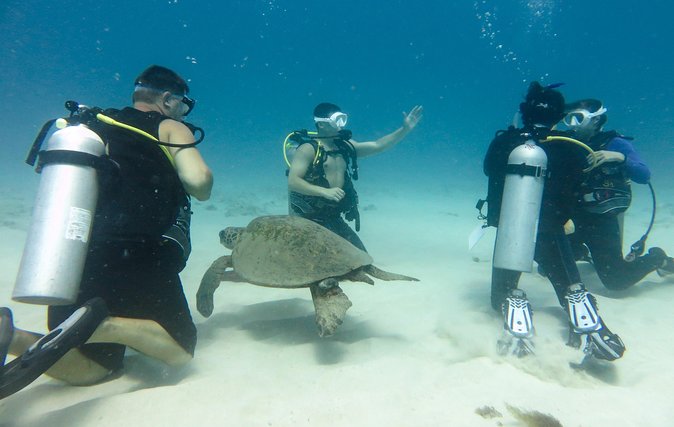
The payoff is the Hawaiian setting. The course is designed to let you look for sea turtles, octopuses, and colorful tropical fish while exploring coral reefs. Sightings are never guaranteed, and your main job is still training, but the chance to see marine life gives the lessons a memorable setting.
Your attention may shift between reef life and basic technique. You are learning how to control your breathing, position yourself in the water, use hand signals, and stay aware of your surroundings. The instructor’s job is to keep the group focused and comfortable while making sure required skills are completed correctly.
The course’s maximum of eight people is important here. A small group does not remove every possible delay, but it gives the instructor fewer people to monitor than a large introductory class. It also makes it easier to ask questions and speak up if a mask fit, regulator, or skill needs more attention.
One caution: do not think of the first ocean day as a sightseeing trip with a certificate attached. You may see turtles, as some course participants have, but the central goal is building safe habits. If you are hoping for a relaxed reef tour with no training demands, book a guided snorkel or introductory scuba outing instead.
Day three: returning to confined water
The following weekend begins with another confined-water training day. At first, returning to basic skills might sound repetitive. In practice, that repeat session is one of the course’s strongest features.
You have had time to think about the first ocean day. You may have noticed that you need to improve buoyancy control, communicate more clearly, or feel more relaxed while breathing underwater. Day three gives you a chance to correct those issues before the final ocean sessions.
This is also where a good instructor can make or break the course. Multiple people have singled out teachers who were patient, approachable, and willing to work at each student’s pace. Chandler, for example, was praised for helping nervous students feel safe without pushing them beyond their comfort level. Anna was noted for combining thorough instruction with a light touch, while Hunter was praised for building confidence and taking time with each skill.
Your own comfort level matters. You do not need to arrive as a natural swimmer or an expert with equipment, but you do need to follow directions, stay calm, and communicate honestly. If you are anxious, tell the instructor early. Scuba training works best when the teaching team knows exactly where you need help.
A different sort of day, same island:
- Oahu Grand Circle Island and Haleiwa Tour: 9-Hr Deluxe Experience
★ 5.0 · 17,387 reviews - Oahu: Grand Tour Around Island 16 Locations plus Snorkeling
★ 5.0 · 8,669 reviews - Parasailing Experience in Waikiki, HI
★ 5.0 · 7,692 reviews - Salute to Pearl Harbor Including USS Arizona
★ 4.5 · 7,433 reviews
Day four: four checkout sessions complete the qualification
The final day includes the last two checkout ocean sessions. These are the sessions that bring the course together. You demonstrate the required skills in the ocean, apply the habits practiced on the beach, and log your fourth local scuba session.
Completing four local sessions gives you more than a card for your wallet. You finish with a base of practical experience, including time handling equipment and communicating underwater. That is a better starting point for future scuba trips than completing a short trial session and assuming you are ready for anything.
Certification is granted through Scuba Schools International. The course description identifies the result as an SSI Open Water Scuba Certification, and digital learning is included in the price. Confirm access to those materials directly with the company before the first day.
The phrase lifetime member of the ocean community is a nice way to describe the goal, but certification is not the end of learning. You will still need to keep practicing and follow the rules of the operator you use on future trips. This course gives you a proper foundation, not a license to ignore conditions or overestimate your abilities.
The instructors and teaching style
The strongest theme running through the course is the quality of instruction. Specific teachers receive repeated praise for patience, clarity, and safety awareness. Hunter is often described as enthusiastic and careful, with a habit of making sure everyone understands the equipment and skills before moving on.
Chandler is a good fit for nervous beginners because his teaching style is described as calm and encouraging. Ed is praised for explaining scuba clearly and for helping students relax. Anna is noted for being thorough while keeping the class enjoyable, and Lenny is described as especially patient.
You cannot request a particular teacher based on the information provided, so treat those names as examples of the company’s instructional approach rather than a promise. One report also raised concerns about a captain’s attitude, a torn wetsuit, a very small pool used for one training portion, and weak health precautions at that time. Those details are worth remembering because equipment condition and staff conduct matter in a safety-based activity.
The best advice is simple: ask questions, inspect your personal gear, and speak up if something does not fit or function properly. A friendly atmosphere is valuable, but careful equipment checks matter just as much.
What the $495 price includes
At $495 per person, this is not cheap in the way a short snorkel outing is cheap. It is also not an apples-to-apples comparison. The fee covers a four-part certification course, professional instruction, scuba equipment, digital learning, and four logged local ocean sessions.
The value improves if you already plan to continue with scuba after Hawaii. You are paying for training that can lead to an SSI qualification, rather than for a single morning of underwater sightseeing. The four sessions also give you more practice than a brief introductory program.
The main extra cost is personal snorkeling and exposure gear. A mask, snorkel, fins, and boots are not included. You can bring your own or expect prices to start at $175. That means your real cost may be at least $670 if you need the full set at the stated starting price.
This requirement has one upside: properly fitted personal gear can be more comfortable and familiar. The downside is that the advertised price does not cover everything you may need to wear in the water. Ask for current sizing and pricing before class so the add-on does not catch you off guard.
Private transportation is also not included. You must get yourself to the Honolulu meeting point and back after each session. That makes a rental car, rideshare budget, or local transportation plan part of your total cost.
Timing, health, and the practical details
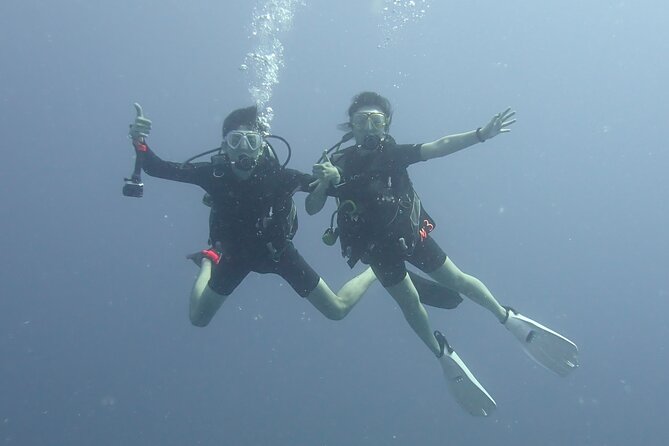
The course starts at 7:00 a.m., so plan for early mornings across both weekends. Since this is a local-style class, the schedule may be less flexible than a hotel-based activity designed around vacation guests.
Do not plan to fly within 48 hours of scuba activity. The course also requires every participant to complete a health questionnaire before entering the water. Some medical conditions, including asthma and heart problems, may prevent participation, so consult your doctor if you have any concerns.
You should have moderate physical fitness. The supplied information does not give an age requirement, swimming test, exact depths, or a detailed daily end time, so ask the operator about those points before booking if they affect your plans.
The group maximum is eight. That is small enough to support individual attention, but it is still a group class. You will not have the same private-instructor pace as a one-on-one course.
The activity is mobile-ticket friendly, and confirmation is provided at booking. The strict cancellation rule deserves attention: the experience is non-refundable and cannot be changed for any reason. Do not book until you are sure you can attend all four parts and meet the health requirements.
Who should choose this course
I would choose this course if you want a real entry-level qualification and have enough time in Honolulu to follow the full schedule. It suits people who want structured teaching, repeated practice, and an instructor-led path into scuba rather than a one-off underwater outing.
It is also a good fit if you are nervous. The course gives you time to build confidence, and the teaching approach emphasizes patience and safety. You should still be ready to participate actively and accept that training comes before sightseeing.
I would not choose it for a short trip, an uncertain schedule, or a first-time visitor who only wants to see reef life for an hour or two. The early starts, four-day commitment, personal gear cost, and no-refund policy demand planning.
Should you book the Honolulu SSI course?
Book it if you can commit to two consecutive weekends, complete the digital study in advance, arrange transportation, and budget for personal gear if needed. The four training days, small class cap, and four logged ocean sessions offer solid value for someone serious about learning scuba.
Skip it if you need flexibility or want a simple vacation activity. Before paying, confirm the class dates, ask which personal items you must supply, and discuss any medical concerns with your doctor. If the schedule works, this course can turn Hawaii’s reefs into the beginning of a long-term skill, not just a quick holiday memory.
FAQ
How long does the open-water scuba course take?
The course takes approximately four days and is held over two consecutive weekends.
Where does the course begin?
You meet at Honolulu Scuba Company, 670 Auahi Street, Suite A-1, Honolulu, Hawaii 96813. The listed start time is 7:00 a.m.
What happens on the first training day?
You review the final exam and begin confined-water scuba training from the beach.
How many ocean sessions are included?
You complete two ocean scuba sessions on day two and two final checkout ocean sessions on day four, for four local scuba sessions in total.
Is scuba equipment included?
Scuba equipment is included, but you must bring your own mask, snorkel, fins, and boots or pay for those items. Prices for that personal gear start at $175.
What certification do I receive?
After completing the required training, you earn an Open Water Scuba Certification from Scuba Schools International, also called SSI.
Can I fly soon after the course?
Scuba activity within 48 hours of flying is not recommended. Plan your flights around the course and ask the operator or your doctor if you need specific medical guidance.
Just added around Oahu
- Kevo’s Beach Bus★ 5.0 · 3 reviews
- 2hr Luxury Private Sailing Catamaran for 7-12 People★ 5.0 · 3 reviews
- Mokulua Islands Self-Guided Kayak Adventure★ 3.5 · 3 reviews
- Night Ninja Adventure Course in Kapolei★ 3.5 · 3 reviews
- Arrival Lei Greeting –HNL to Waikiki Private Transfer★ 5.0 · 3 reviews
- Private “Limousine” USS Arizona Memorial & Cultural Honolulu Tour★ 5.0 · 3 reviews
- Surf Lessons get your Social Media video & photos you Surfing HI.★ 5.0 · 3 reviews
- (2nd)Diamond Head Hike w/ Malasada Starts at 7:00 a.m.★ 3.3 · 3 reviews
Scuba Diving, compared.
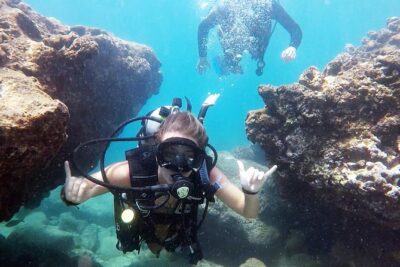
First-Time Scuba Diving in Honolulu + Free Videos
Read our review →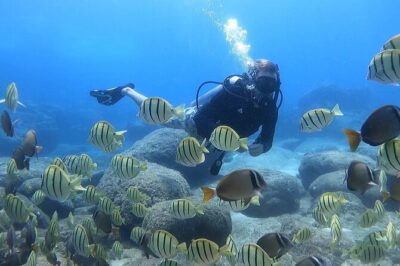
Beginner Scuba Diving Experience with Video Package in Honolulu
Read our review →
Dive with Sharks in Hawaii: Shark Tour from Haleiwa
Read our review →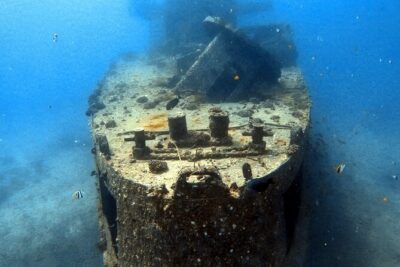
Certified Diver: 2-Tank Deep Wreck and Shallow Reef Dive Off Oahu
Read our review →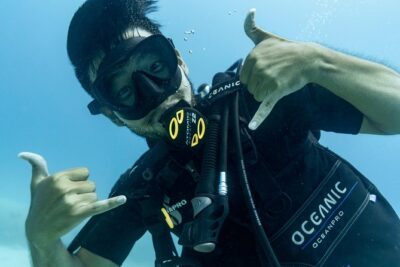
Incredibly Fun Coral Reef Giant Sea Turtles 4hour Boat Scuba Tour
Read our review →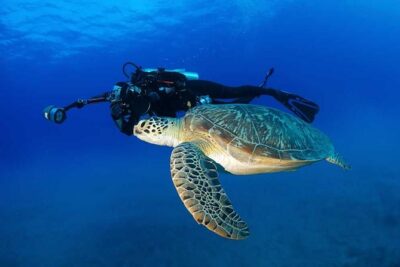
Certified Diver: 2-Tank Shallow Reef Dives off Oahu
Read our review →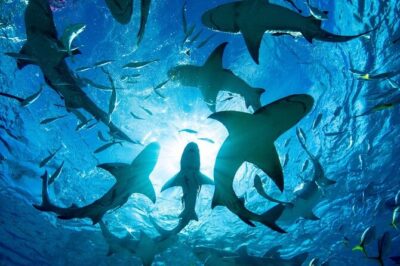
Waikiki 2 Tank World Class Wreck SCUBA Diving – Certified Only
Read our review →Browse the lists this tour appears in