
Reviewed · SHARK CAGE DIVING
Open Water Shark Dive
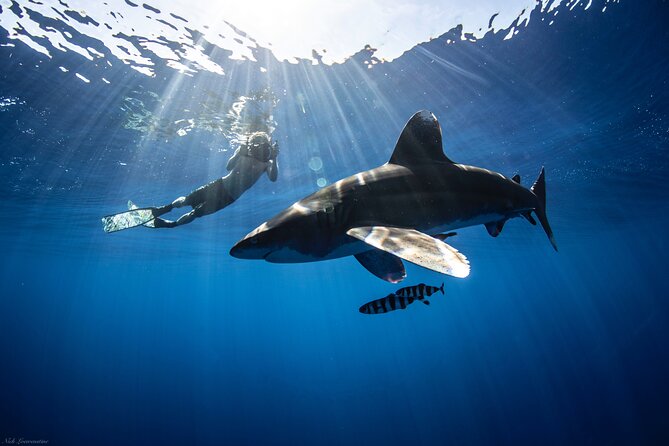
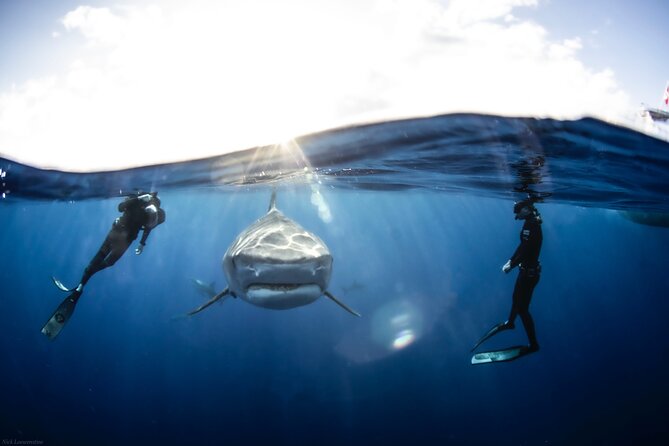
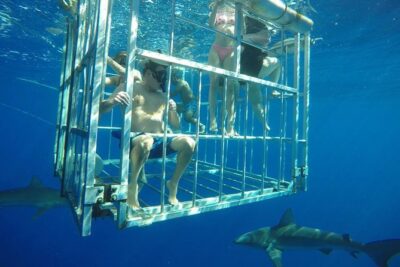
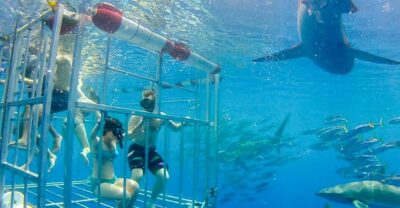
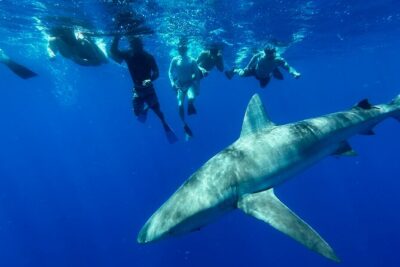
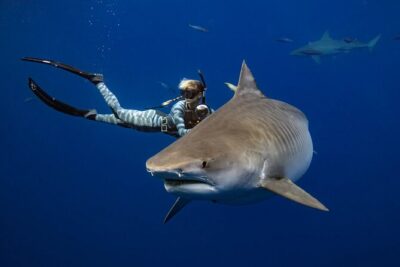
Galapagos sharks glide below you in Hawaii’s clear open water, with no cage between you and the sea. The crew first explains shark behavior, then sends a safety diver in to check the conditions before anyone else enters. It is a carefully managed way to see powerful animals in their natural setting.
I like the small maximum group of six, which gives the crew room to keep an eye on everyone. I also like the marine-conservation angle: guides explain common myths about sharks and why protecting them matters. The main drawback is the ocean itself. Rough water can make the boat uncomfortable and may prevent some people from entering safely.
In This Review
- Key points at a glance
- From Haleiwa Harbor to the open sea
- The briefing makes the difference
- A safety check before anyone enters
- What you may see below the surface
- Staying calm in an open-water setting
- The ride back adds useful context
- Underwater pictures are worth considering
- Is $161.57 a fair price?
- Weather and cancellation details
- Who will enjoy this most?
- Should you book the Haleiwa shark swim?
- FAQ
- Where does the shark swim begin?
- Where does the activity end?
- How long does the experience last?
- How much time is spent in the water?
- How many people can join the activity?
- Is snorkel equipment provided?
- Do I need to know how to swim?
- What happens before entering the water?
- Are photographs and videos available?
- What happens if the weather is poor?
- How far in advance can I cancel for a full refund?
Key points at a glance
- About 45 minutes in the water: The full outing lasts up to two hours, with the balance spent traveling to and from the shark site.
- A maximum of six people: This is a more personal setup than a large boat excursion.
- Professional safety supervision: A safety diver checks the conditions and animal behavior before you enter.
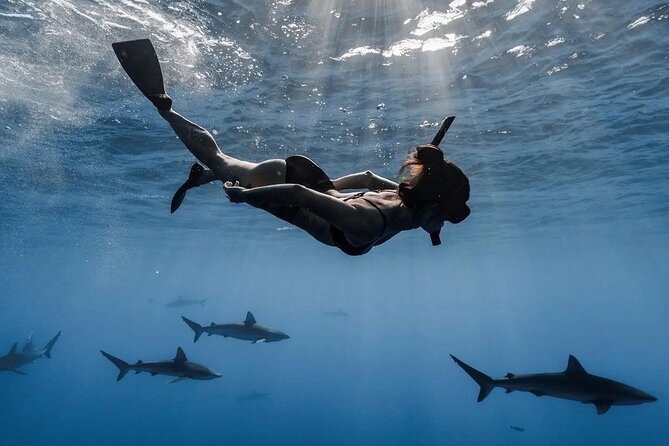
- Galapagos sharks are the main attraction: Other marine life can include fish, barracuda, and, on some outings, a tiger shark.
- Marine biology is part of the experience: The briefing covers shark behavior, guest conduct, and conservation.
- Photos and videos are available: A photo package can be useful because ordinary phones are not suited to this setting.
From Haleiwa Harbor to the open sea
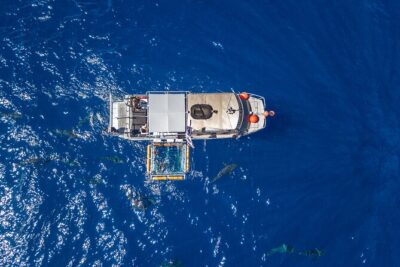
You meet the crew at Haleiwa Boat Harbor, on Oahu’s North Shore, 15 minutes before your scheduled departure. The trip begins with the crew loading you onto the boat and providing complimentary snorkel gear.
That early arrival matters. You want enough time to get settled, listen to instructions, and make sure the mask and other equipment fit properly. The crew is described as careful with its equipment and attentive to comfort, so speak up if something feels loose or awkward before the boat leaves.
The full outing takes up to two hours. About 45 minutes is spent in the water, which means roughly an hour and 15 minutes is used for the boat ride, preparation, safety talk, and return to the harbor. If you are comparing this with a longer marine excursion, keep that timing in mind. This is a focused shark encounter, not an all-day outing.
Haleiwa is also a practical starting point for a North Shore day. The harbor is near public transportation, and one solo participant used an Uber to reach the early morning departure. You should still allow extra time for your own transport, since being late cuts into a short scheduled experience.
More shark cage trips:
- Oahu Shark Dive
★ 5.0 · 2,903 reviews - Oahu: Shark Cage Dive on the North Shore
★ 4.8 · 1,485 reviews - Shark Cage Diving on Oahu’s North Shore
★ 5.0 · 1,391 reviews
The briefing makes the difference
Before heading to the site, the crew gives a talk about possible marine life, shark behavior, and proper conduct in the water. This is not filler. It helps replace panic with clear instructions.
The best shark encounters require calm behavior. You need to know how to move, where to look, and how to respond to the crew. The guides also explain common misconceptions about sharks and the role people play in conservation. That gives the experience more purpose than simply collecting a dramatic photograph.
The crew can include a captain, marine biologist, professional safety diver, and photographer. Names reported from recent outings include Stacey, Ronnie, Annika, Terry, and Meagan, though the exact team may vary by departure. Ronnie has been praised for helping people settle in before entering the water, while Terry and Meagan have handled underwater photography on different trips.
If you are nervous, say so during the briefing. Several people arrived with a fear of sharks and found that understanding the animals made the experience easier. That does not mean the fear disappears instantly. The open sea still feels serious, and it should.
A safety check before anyone enters
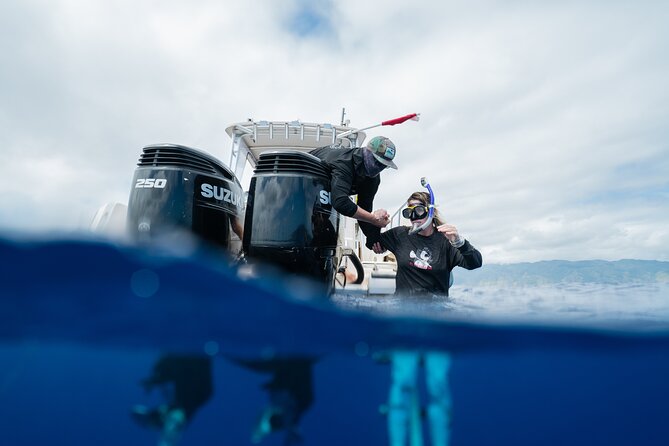
Once the boat reaches the location, the safety diver enters the water first. This is one of the strongest parts of the setup because the crew does not simply bring everyone to a fixed point and send them overboard without checking conditions.
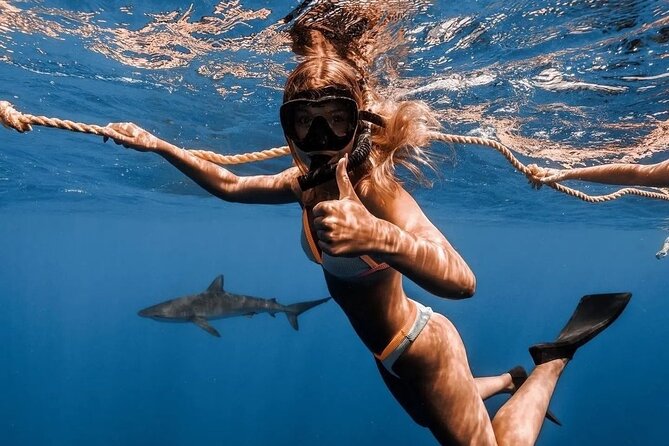
The safety diver assesses the water and the behavior of the marine life. Only then are participants invited to enter. Once in the water, you can swim, take photographs, and watch the animals under the safety diver’s supervision.
The small group helps here. With no more than six people, the crew can pay closer attention to individual comfort and behavior. That does not remove the normal risks of open water, but it provides a more controlled setting than a crowded boat with a large group.
The equipment is supplied, and the crew takes care with fitting and maintenance. You still need to be comfortable in the sea and able to swim. The activity is not recommended for anyone who cannot swim, and one of the strongest practical tips from the experience is simple: arrive with some snorkel confidence.
What you may see below the surface
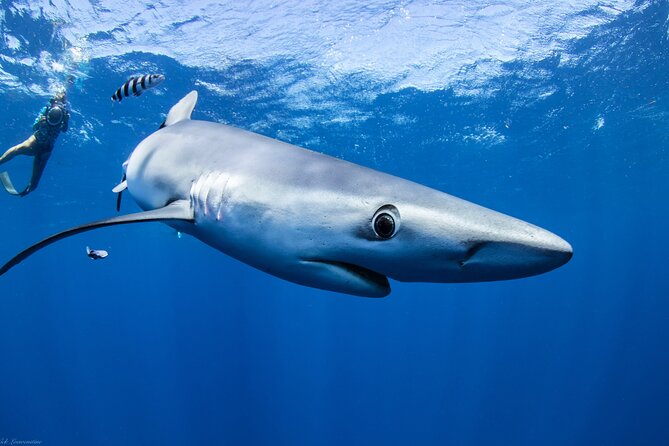
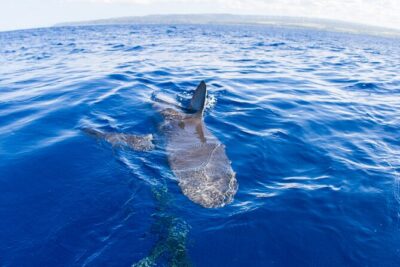
The main animals are Galapagos sharks. They may remain below you or circle back through the area, giving you different viewing angles as you float above them. Their movement can look surprisingly calm, but you are still close to large wild animals, so following the crew’s instructions matters at every moment.
The visibility can be excellent. One outing had warm, clear water, and the underwater setting allowed people to see more than sharks. Fish and barracuda have also appeared. On some occasions, a tiger shark has passed near the boat or group, creating a memorable final sight before returning aboard.
No responsible wildlife activity can promise a particular species on a particular day. The crew discusses possible marine life rather than guaranteeing one exact encounter. Conditions, visibility, and animal behavior all shape what you see.
That uncertainty is part of the value. You are not watching a staged performance. You are entering an active marine environment where the animals decide when to appear and how close to come.
A different sort of day, same island:
- Oahu Grand Circle Island and Haleiwa Tour: 9-Hr Deluxe Experience
★ 5.0 · 17,387 reviews - Oahu: Grand Tour Around Island 16 Locations plus Snorkeling
★ 5.0 · 8,669 reviews - Parasailing Experience in Waikiki, HI
★ 5.0 · 7,692 reviews - Salute to Pearl Harbor Including USS Arizona
★ 4.5 · 7,433 reviews
Staying calm in an open-water setting
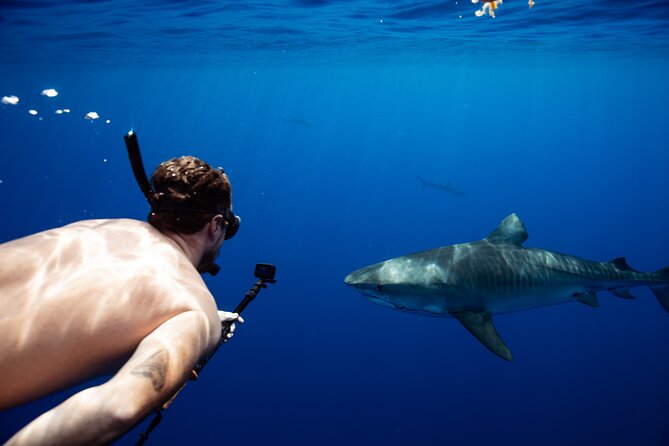
The emotional rhythm usually changes once you enter. The first moments can bring a rush of nerves, especially when the bottom looks distant and a shark moves beneath you. After several minutes of following directions and watching the animals, many people find their attention shifts from fear to curiosity.
I would not call this a casual swim. The experience is designed for people who can manage themselves in the water, keep calm, and listen carefully. You do not need to be an expert swimmer, but you should not book it if you are unsure about floating, using a snorkel, or entering the ocean from a boat.
Families can take part, but the experience is not automatically suitable for every child. A 14-year-old joined a family outing and had a strong experience after seeing a parent enter first. At the same time, rough conditions caused one child with autism to become frightened and unable to enter the water. That contrast is important. A child may love sharks in theory and still find the boat, waves, ladder, or open sea overwhelming.
If anyone in your party is anxious, discuss the conditions and expectations before booking. The crew can explain the process, but no guide can make rough water feel calm.
The ride back adds useful context
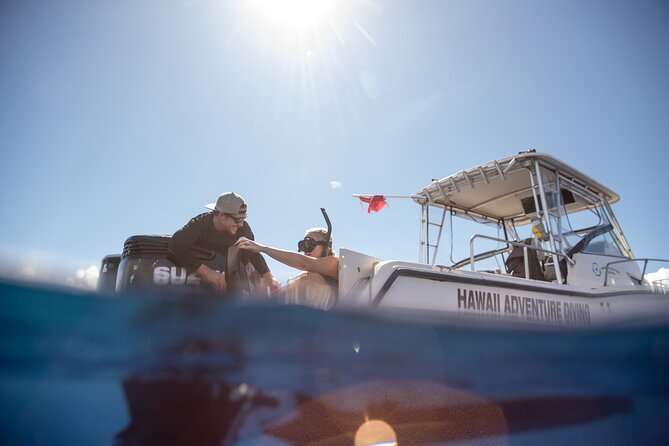
After the water portion, you return to the boat and cruise back toward Haleiwa Harbor. The crew discusses the marine life seen during the outing and answers questions.
This return trip gives you time to process what happened. You can ask about shark behavior, the species you saw, or conservation concerns. It also keeps the experience educational after the main adrenaline has passed.
The boat ride may feel uneventful compared with the shark encounter, but it is part of the two-hour schedule. If your interest is strictly in time beside sharks, remember that the actual water time is about 45 minutes. If you like learning about what you have seen, the ride back makes the price easier to justify.
Underwater pictures are worth considering
The operator offers underwater photographs and videos to help preserve the experience. This is more useful than it may sound. A phone is not a practical tool for capturing fast-moving animals from the water, and even a good camera may struggle with distance, movement, and visibility.
One participant specifically advised getting the photo package because ordinary cameras could not properly capture the scale of the encounter. That is sensible advice if the images matter to you. You can concentrate on staying calm and watching the sharks instead of trying to operate a camera while swimming.
The photo option is an additional consideration rather than a reason to book or skip the outing. If you are traveling alone, it is especially useful because nobody from your party will be on the boat taking pictures of you in the water. If you prefer to keep the cost down, you can treat the experience itself as the souvenir.
Is $161.57 a fair price?
At $161.57 per person, this is not a budget swim. The price covers the boat trip, supplied snorkel gear, safety oversight, crew instruction, and access to a small-group experience with a maximum of six people.
The group size is the biggest value point. You are not spreading the crew’s attention across dozens of people, and the safety diver has a better chance of monitoring everyone. The marine biology briefing and discussion on the return trip also give the outing more substance than a simple boat ride to a viewing area.
The price feels strongest for someone who has wanted to see sharks in open water and values the guidance that makes the encounter manageable. It feels weaker if you want a long time in the sea, guaranteed shark sightings, or a low-cost family activity.
Remember to budget separately for any photo or video package. The supplied information does not state its price, so ask before departure if you want to plan your spending.
The activity is commonly booked about 19 days ahead. That suggests planning early, especially if you have only a few North Shore days available. A 99 percent recommendation rate and a 5 out of 5 rating from 185 ratings indicate strong satisfaction, but those numbers should not replace a practical look at the swimming and weather requirements.
Weather and cancellation details
The experience requires good weather. If poor conditions cause the operator to cancel, you are offered another date or a full refund. This is a useful safeguard because sea conditions affect both comfort and safety.
You can cancel for a full refund up to 24 hours before the scheduled start. Cancellations made inside that 24-hour window are not refunded, and late changes are not accepted. The cut-off uses local Hawaii time.
The operator also requires a minimum number of participants. If that minimum is not reached and the outing is canceled, you are offered another date or experience, or a full refund.
The rough-water account deserves attention here. A boat can feel very different from shore, and one person became seasick and could not use the ladder. If you are prone to motion sickness, have a plan before departure, though the provided information does not specify what medication or onboard facilities are available.
Who will enjoy this most?
I would recommend this for a confident swimmer who wants a close, educational encounter with sharks rather than a passive view from a boat. It suits solo visitors particularly well because the crew can provide reassurance and the group is small enough to feel social without being crowded.
It also works for couples and families with older children who are comfortable in open water. The experience can change a fear of sharks into respect, but that shift depends on the person. Someone who is already uneasy about boats, waves, or entering water from a ladder should think carefully.
You should skip it if you cannot swim or if you need a calm, predictable water setting. The activity is not recommended for non-swimmers, and weather can make the sea rough. There is no shame in choosing a shore-based marine experience instead.
Should you book the Haleiwa shark swim?
Book it if seeing sharks in their natural environment is high on your Oahu list, you can swim confidently, and you appreciate a crew that combines wildlife education with close safety supervision. The small group, careful entry procedure, and roughly 45 minutes in the water make this a focused and personal experience.
I would book early, arrive 15 minutes ahead, and treat the photo package as worth considering. Go in with respect rather than a promise of a particular shark, and be honest with yourself about seasickness, nerves, and swimming ability.
Skip it if you want guaranteed calm conditions or a long, inexpensive family outing. For the right person, though, this is one of Oahu’s more memorable ways to meet the ocean’s apex predators without a cage.
FAQ
Where does the shark swim begin?
The activity begins at Haleiwa Boat Harbor, Haleiwa, Hawaii 96712.
Where does the activity end?
The boat returns to Haleiwa Boat Harbor, the same place where the activity begins.
How long does the experience last?
The full experience lasts a maximum of about two hours.
How much time is spent in the water?
The approximate water time is 45 minutes.
How many people can join the activity?
The group has a maximum of six participants.
Is snorkel equipment provided?
Yes. Complimentary snorkel gear is provided by the crew.
Do I need to know how to swim?
Yes. The activity is not recommended for anyone who cannot swim.
What happens before entering the water?
The crew explains possible marine life, shark behavior, and proper conduct. A safety diver then enters first to check conditions and animal behavior before inviting the group into the water.
Are photographs and videos available?
Yes. Underwater photographs and videos are available to capture the experience.
What happens if the weather is poor?
If poor weather causes cancellation, you are offered a different date or a full refund.
How far in advance can I cancel for a full refund?
You must cancel at least 24 hours before the experience start time for a full refund. Cancellations within 24 hours are not refunded.
Just added around Oahu
- Kevo’s Beach Bus★ 5.0 · 3 reviews
- 2hr Luxury Private Sailing Catamaran for 7-12 People★ 5.0 · 3 reviews
- Mokulua Islands Self-Guided Kayak Adventure★ 3.5 · 3 reviews
- Night Ninja Adventure Course in Kapolei★ 3.5 · 3 reviews
- Arrival Lei Greeting –HNL to Waikiki Private Transfer★ 5.0 · 3 reviews
- Private “Limousine” USS Arizona Memorial & Cultural Honolulu Tour★ 5.0 · 3 reviews
- Surf Lessons get your Social Media video & photos you Surfing HI.★ 5.0 · 3 reviews
- Private Full-Day Circle Island Guided Small-Group up to 6 (Se habla Español)★ 5.0 · 3 reviews
Shark Cage Diving, compared.
Safe and Educational Shark Dive from Haleiwa: Sharks Guaranteed
Read our review →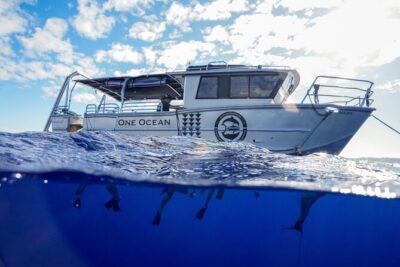
Dive with Sharks in Hawaii: Shark Tour from Haleiwa
Read our review →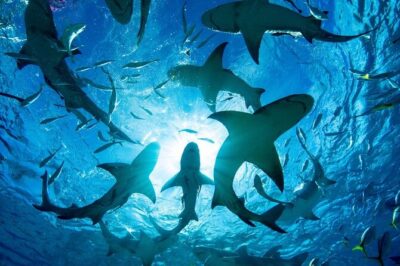
Shark Cage Diving On “The World Famous North Shore of Oahu”, Hawaii
Read our review →Browse the lists this tour appears in