
Reviewed · SCUBA DIVING
Small-Group Deep Dive in Oahu with Shipwreck and Reef
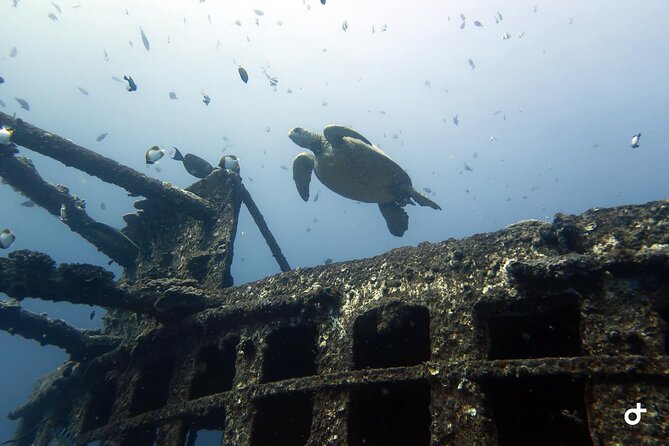
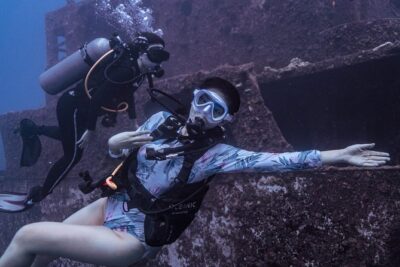
At about 100 feet below the surface, Oahu’s shipwreck is the main event. Because the wreck sits well offshore, you have a better chance of seeing open-water species such as pelagic fish, turtles, and sharks before heading to a shallower reef for the second underwater outing.
I like two things here: a divemaster or instructor accompanies every trip, and the crew can adjust the sites to suit a capable group. You can also bring your own scuba equipment or rent what you need, which keeps the trip practical for both regular scuba travelers and those packing light.
The catch is that this is for experienced certified scuba participants only. The operator requires advanced certification or 25 logged outings, and one unhappy customer reported a last-minute cancellation, poor communication, and trouble getting a refund sorted out. I would confirm the departure before hauling gear to the marina.
In This Review
- Key points to know before booking
- Oahu’s 100-foot shipwreck sets the tone
- The 40-to-60-foot reef gives you a calmer second stop
- The crew can tailor the morning to the group
- What the three-and-a-half-hour schedule really means
- Bringing your own gear or renting equipment
- Wildlife possibilities, from turtles to whales
- Is the $209 price fair?
- The important reliability warning
- Who should book this Oahu scuba trip?
- Should you book it?
- FAQ
- How long does the Oahu scuba experience last?
- What time does the activity start?
- Where does the activity begin?
- Where does the activity end?
- Do I need advanced scuba certification?
- What is the minimum age?
- How deep are the underwater sites?
- Is scuba equipment included?
- Does the price include transportation from my hotel?
Key points to know before booking
- A 100-foot shipwreck comes first: This is the most demanding part of the morning and is intended for experienced certified participants.
- The second site is shallower: Expect a reef in roughly 40 to 60 feet of water, with the exact location chosen according to conditions and group ability.
- Sea life can be wide-ranging: Offshore water may bring pelagic fish, turtles, sharks, dolphins, and whales, though sightings are never guaranteed.
- A professional guide is aboard: Every trip includes a divemaster or instructor, useful when conditions or site choices change.
- You have gear flexibility: Bring your own equipment or rent scuba gear through the operator.
- The trip stays fairly small: The maximum group size is 16 people, and the outing lasts about three and a half hours.
Oahu’s 100-foot shipwreck sets the tone
This is not a gentle introduction to Hawaiian scuba. The usual first stop is a shipwreck at around 100 feet, far enough from shore to put you in a setting where open-water species are more likely.
That depth matters. A 100-foot descent calls for solid buoyancy control, comfort with deeper water, and careful attention to air use. It also means you should not treat the first site as a casual sightseeing stop if your recent scuba experience has been limited.
The wreck itself provides structure and a focal point for the underwater visit. Around it, you might find fish that prefer deeper water, along with turtles or sharks passing through. The word might matters here. Marine life follows its own schedule, and no one can promise a particular animal on a particular morning.
The boat’s distance from shore is part of the appeal. Shore-based sites can be convenient, but this trip reaches farther out, where the water may feel more open and the marine life less tied to the coast. If your main goal is to see larger or passing species, the wreck section gives you a better chance than a simple near-shore reef outing.
You should also think about depth limits and your own certification. The stated requirement is an advanced certification or 25 logged outings. That is a useful screening rule, not a minor suggestion. If you hold only an entry-level certification, this is not the right trip to test your limits.
More dive trips off Oahu:
- First-Time Scuba Diving in Honolulu + Free Videos
★ 5.0 · 3,123 reviews - Beginner Scuba Diving Experience with Video Package in Honolulu
★ 5.0 · 877 reviews - Dive with Sharks in Hawaii: Shark Tour from Haleiwa
★ 5.0 · 468 reviews
The 40-to-60-foot reef gives you a calmer second stop
After the wreck, the boat usually heads to a reef between 40 and 60 feet deep. Compared with the first site, this is a more forgiving depth and gives you another look at Oahu’s underwater world without repeating the same kind of site.
The exact reef is not fixed. The crew chooses according to the group and the conditions, with room to select a more adventurous location when everyone has enough experience. That flexibility is useful because ocean conditions can change, and the best site on one morning may not be the best site on another.
A reef stop also balances the morning. The wreck offers depth and open-water possibilities. The reef offers a shallower setting where you can spend time looking closely at fish and coral formations. If the first stop feels demanding, the second can provide a more relaxed pace, though you still need to manage your air, buoyancy, and comfort in the water.
The lack of a guaranteed named reef may bother you if you want a fixed, highly scripted route. I see it differently for experienced scuba participants. Site selection based on the group and conditions can produce a better outing than forcing a preselected location. Still, you should ask the crew at check-in which sites are likely that day.
The crew can tailor the morning to the group
The trip is built around flexibility. The guides can choose sites that match what the group hopes to see, provided everyone has the skill and experience to handle them.
That makes this a better match for a group of confident certified participants than for a mixed-ability party. If one person is much less comfortable than the rest, the crew may need to choose more conservatively. If everyone is strong and experienced, the boat may reach a more adventurous part of the underwater area.
A divemaster or instructor is included on every trip. That does not remove your responsibility. You still need to follow your certification limits, complete the required health questionnaire, and speak up about medical concerns or discomfort.
The health screening deserves real attention. Conditions such as asthma or heart problems may prevent you from participating, and the operator advises consulting a doctor if you have concerns. This is standard scuba safety, but it is especially important for a 100-foot first site.
You also need to plan around air travel. Scuba activity within 18 hours of flying is not recommended. A red-eye flight home can create a serious timing problem, so schedule this outing early enough in your trip to leave a safe buffer before departure.
What the three-and-a-half-hour schedule really means
The meeting time is 7:45 a.m., and the full outing takes about three hours and thirty minutes. That makes it a useful morning activity, leaving part of the afternoon open for another plan.
The timing also means you should arrive ready. The provided details do not include hotel pickup, so you need to make your own way to the Honolulu meeting point at 74VV+4X Honolulu, Hawaii. The area is near public transportation, but you should still allow time to locate the exact departure point with scuba gear in hand.
The advertised duration includes the boating and underwater portions, not just time spent below the surface. You should expect the morning to include preparation, moving between sites, and returning to the starting point. The outing ends where it begins.
Snacks and beverages are included, along with the fuel surcharge and environmental management charge. Those inclusions are modest but useful. You will not need to plan a full meal during the trip, though the supplied information does not specify the exact snack selection.
The group limit is 16 people. That is small enough to feel more personal than a large sightseeing boat, but it is not a private charter. Your experience will still depend on the size of the actual departure and how well the group’s abilities match.
A different sort of day, same island:
- Oahu Grand Circle Island and Haleiwa Tour: 9-Hr Deluxe Experience
★ 5.0 · 17,387 reviews - Oahu: Grand Tour Around Island 16 Locations plus Snorkeling
★ 5.0 · 8,669 reviews - Parasailing Experience in Waikiki, HI
★ 5.0 · 7,692 reviews - Salute to Pearl Harbor Including USS Arizona
★ 4.5 · 7,433 reviews
Bringing your own gear or renting equipment
You can bring your own scuba equipment or rent it. This is one of the more practical features for a Hawaiian holiday because transporting gear can be expensive and awkward, especially if you are also carrying clothing and other luggage.
If you own a setup you trust and want familiar equipment for a deeper site, bringing it may make sense. If you prefer to travel light, renting lets you avoid airline baggage charges and the hassle of moving bulky equipment around Oahu.
Ask in advance what rental equipment is available and what it costs. The provided details confirm that rental is an option, but they do not specify the price, brands, or individual items included. Do not assume a full personal setup is covered without checking.
You should also arrive with the equipment plan settled. A 100-foot wreck is not the place to discover that a mask leaks or that you are uncertain about a rental regulator. Experienced scuba participants know this, but a quick equipment check remains worthwhile.
Wildlife possibilities, from turtles to whales
The offshore location creates the chance for more than reef fish. You might see turtles, sharks, dolphins, whales, and pelagic fish during the boat ride or underwater portions.
These possibilities are a major reason to choose this outing over a simple shallow reef session. Open-water animals can pass near the wreck or boat, and the crew’s site choices may be shaped by what conditions offer that morning.
Still, I would book this for the wreck and reef first, and treat wildlife as a bonus. No ethical operator can guarantee dolphins, whales, or sharks. Ocean visibility, season, weather, and animal behavior all affect what you see.
The experience is strongest when you enjoy observation rather than a checklist. A turtle resting near a reef may be memorable, but so can the feeling of descending toward a wreck in deeper water. If you need guaranteed animal encounters, this is not the right type of activity.
Is the $209 price fair?
At $209 per person, this is a premium half-day scuba outing, but the price includes several useful items: the professional guide, beverages, snacks, fuel surcharge, and environmental management charge.
The main value comes from the boat access to two different sites. You are not simply paying for time in the water. You are paying for transport offshore, access to a deeper wreck, a second reef visit, and a professional crew that can adjust the plan.
The price makes more sense if you already have the required certification and gear. If you must rent equipment, add that cost before comparing it with other Oahu scuba options. The listed price does not include hotel transportation, so you also need to account for getting to and from the meeting point.
For a casual first-time visitor, $209 may feel too high, especially since the itinerary is aimed at experienced participants. For a certified scuba enthusiast who specifically wants a wreck and an offshore reef in one morning, the package is easier to justify.
The current rating is 4.9 out of 5 from 33 ratings, with 97 percent of customers recommending the outing. That is a strong signal, but the small number of ratings means I would still read the terms carefully and confirm the departure.
The important reliability warning
One poor account raises a practical concern that should not be ignored. A customer said the company canceled the trip the day before because only one person was booked, then offered a rescheduled date that would have placed the customer within 13 hours of a return flight.
The same account described unanswered texts and calls, confusion over the booking being marked complete, and difficulty getting the refund handled. The complaint does not tell you about the crew’s ability in the water, but it does point to a possible weakness in communication when plans change.
I would protect yourself in three simple ways. Confirm the trip shortly before the departure, keep all messages and booking records, and do not accept a new date that conflicts with the 18-hour no-fly recommendation. If the operator cancels, ask clearly how the refund will be processed before ending the call.
The stated cancellation terms allow a full refund when you cancel at least 24 hours before the start time. Changes or cancellations inside that window are not refundable, except when poor weather causes the operator to cancel, in which case you should be offered another date or a full refund.
Who should book this Oahu scuba trip?
This outing suits you if you:
- Hold advanced scuba certification or have at least 25 logged outings.
- Want a wreck at about 100 feet rather than a basic shallow reef.
- Are comfortable with changing site choices.
- Prefer a small boat group to a large excursion.
- Want the option to bring your own gear or rent equipment.
- Have enough time before your flight to respect the 18-hour no-fly guidance.
I would skip it if you are newly certified, have not been underwater recently, or want a relaxed introduction to Hawaiian scuba. I would also choose another date if you are flying home soon after the trip.
The minimum age is 14, but age alone does not replace the certification and experience requirement. Participants should have moderate physical fitness, and everyone must complete a health questionnaire before going into the water.
Should you book it?
Book this trip if a deep wreck and a second reef are exactly what you want from Oahu. The two-site format, offshore setting, professional guide, and chance of seeing larger marine life create a strong morning for capable scuba participants.
I would not book it for a first scuba outing or a guaranteed wildlife encounter. Confirm the meeting details, equipment plan, and departure before you go, then leave at least 18 hours before any flight. With those safeguards, the $209 price can be reasonable for a focused, small-group boat trip built around serious underwater time.
FAQ
How long does the Oahu scuba experience last?
The activity lasts approximately 3 hours and 30 minutes.
What time does the activity start?
The scheduled start time is 7:45 a.m.
Where does the activity begin?
The meeting point is 74VV+4X Honolulu, Honolulu, Hawaii, USA.
Where does the activity end?
The activity returns to the original meeting point.
Do I need advanced scuba certification?
You must have advanced certification or at least 25 logged scuba outings.
What is the minimum age?
The minimum age is 14.
How deep are the underwater sites?
The first site is usually a shipwreck at about 100 feet. The second site is usually a reef between 40 and 60 feet deep.
Is scuba equipment included?
You may bring your own equipment or rent scuba equipment. The provided details do not specify the rental price or exact equipment list.
Does the price include transportation from my hotel?
No. Hotel pickup and drop-off are not included.
Just added around Oahu
- Kevo’s Beach Bus★ 5.0 · 3 reviews
- 2hr Luxury Private Sailing Catamaran for 7-12 People★ 5.0 · 3 reviews
- Mokulua Islands Self-Guided Kayak Adventure★ 3.5 · 3 reviews
- Night Ninja Adventure Course in Kapolei★ 3.5 · 3 reviews
- Private “Limousine” USS Arizona Memorial & Cultural Honolulu Tour★ 5.0 · 3 reviews
- Surf Lessons get your Social Media video & photos you Surfing HI.★ 5.0 · 3 reviews
- Arrival Lei Greeting –HNL to Waikiki Private Transfer★ 5.0 · 3 reviews
- (2nd)Diamond Head Hike w/ Malasada Starts at 7:00 a.m.★ 3.3 · 3 reviews
Scuba Diving, compared.
First-Time Scuba Diving in Honolulu + Free Videos
Read our review →
Beginner Scuba Diving Experience with Video Package in Honolulu
Read our review →
Dive with Sharks in Hawaii: Shark Tour from Haleiwa
Read our review →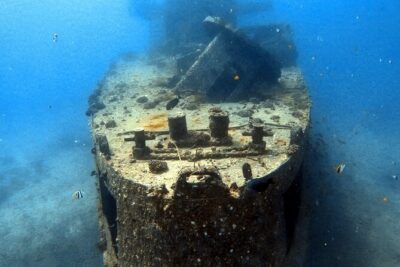
Certified Diver: 2-Tank Deep Wreck and Shallow Reef Dive Off Oahu
Read our review →
Incredibly Fun Coral Reef Giant Sea Turtles 4hour Boat Scuba Tour
Read our review →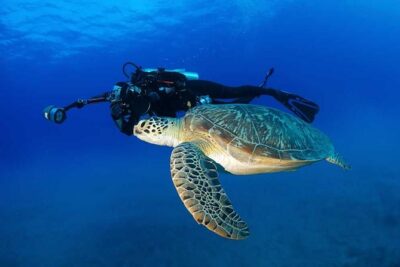
Certified Diver: 2-Tank Shallow Reef Dives off Oahu
Read our review →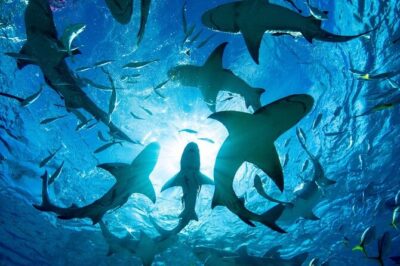
Waikiki 2 Tank World Class Wreck SCUBA Diving – Certified Only
Read our review →Browse the lists this tour appears in