
Reviewed · WALKING TOURS
The East Waikiki Walking Tour
The best thing about the East Waikiki Walking Tour is its range. In roughly two hours, you move from a war memorial and historic swimming pool to early surf clubs, a possible monk seal sighting, local mochi ice cream, and the volcanic story of Diamond Head. It gives you more than postcard Waikiki.
I like the small group size, capped at four people, and the serious attention to Hawaiian history, geology, plants, animals, and sustainability. I also like the $14 price, which is modest for a guided walk with an included snack and access to cold water if you forget your bottle.
The main concern is reliability. One customer arrived before the start time and said the guide never appeared, so I would confirm the meeting details shortly before the 9 a.m. start. The tour also requires moderate fitness and good weather, with outdoor walking throughout.
In This Review
- Key Points About the East Waikiki Walk
- A Different Way to Read East Waikiki
- The Waikiki War Memorial Natatorium
- Kaimana Beach and the First Surf Clubs
- Kapiolani Park and Mochi Ice Cream
- The Honolulu Zoo Area and Its Animal Stories
- Diamond Head and the Making of Le‘ahi
- Sustainability Without the Lecture
- How Much Value Do You Get for $14?
- Timing, Walking Comfort, and What to Bring
- The Small Group Advantage and the Reliability Question
- Who Should Book This Waikiki Walk?
- Should You Book the East Waikiki Walking Tour?
- FAQ
- How long does the East Waikiki Walking Tour last?
- What time does the tour begin?
- Where does the tour meet?
- Where does the tour end?
- How many people can join the tour?
- Is mochi ice cream included?
- Is bottled water included?
- What happens if the weather is poor?
- What is the cancellation policy?
Key Points About the East Waikiki Walk
- The route connects five very different places: the Waikiki War Memorial Natatorium, Kaimana Beach, Kapiolani Park, the Honolulu Zoo area, and the base of Diamond Head.
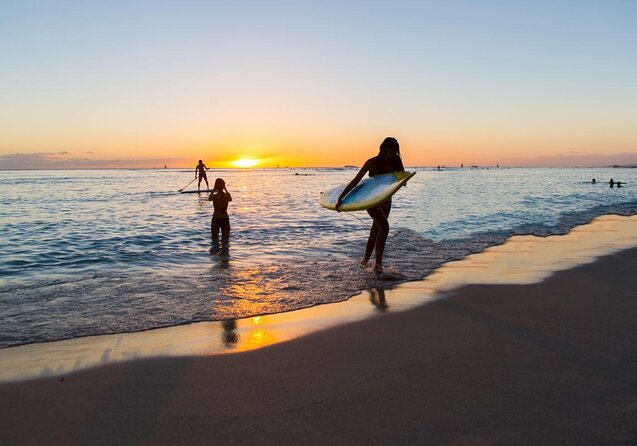
- Surf history takes center stage at Kaimana Beach, including the early rivalry between the Outrigger and Hui Nalu clubs.
- You may spot a Hawaiian monk seal, since Kaimana is one of the places where these rare animals sometimes rest on shore.
- The small group limit is four people, making it easier to ask questions and keep the discussion personal.
- Mochi ice cream is included, with a break in Kapiolani Park about 45 minutes into the walk.
- The tour looks beyond sightseeing, explaining tourism, industry, conservation, and the choices you can make as a visitor.
A Different Way to Read East Waikiki
Most people first meet Waikiki through hotel towers, beaches, and busy streets. This walk takes you a little farther east, where the story becomes less polished and more revealing.
You’ll begin near the public artwork Surfer on a Wave at Kalakaua Avenue and Monsarrat Avenue. That starting point puts you close to the eastern edge of Waikiki, where the city gives way to parks, beaches, Diamond Head, and older parts of Honolulu’s public life.
The route is not just a collection of landmarks. Your guide is expected to explain how the islands formed, how people traveled and lived across the Pacific, how surfing became known around the world, and how modern industry changed Waikiki. That wider frame is the tour’s real value.
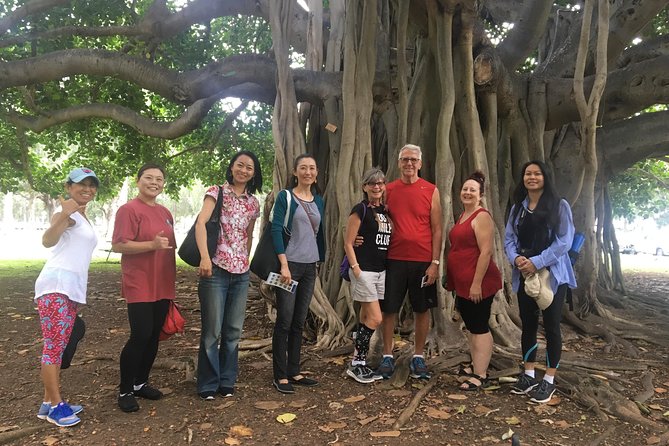
You are not signing up for a fast march through attractions. The walk lasts about two hours, and the group is limited to four people. That size should make it easier to pause, ask questions, and hear the guide clearly. It also means the tour is a better fit for someone who enjoys conversation than for someone who only wants a list of photo stops.
More walking tours around Oahu:
- Self guided Hike Trail to Nature Walk & Waterfall
★ 4.5 · 283 reviews - Honolulu Haunts: Ghosts and Spirits Walking Tour
★ 4.2 · 169 reviews - Honolulu Downtown Walking Tour
★ 5.0 · 149 reviews
The Waikiki War Memorial Natatorium
The first stop is the Waikiki War Memorial Natatorium, an unusual and slightly haunting place. Built as a memorial to Hawaiians who served in the First World War, the site includes an Olympic-sized saltwater swimming pool that reaches into the ocean.
The tour uses the Natatorium to discuss Hawai‘i’s role in the world wars. That gives you a reminder that the islands are not simply a beach destination. Hawai‘i has long been tied to military, political, and cultural events across the Pacific.
The abandoned structure also raises practical questions about preservation. A memorial can be meaningful, expensive to maintain, and difficult to restore. Seeing the site in person gives the history a physical setting that a museum label cannot provide.
The stop lasts about 15 minutes, and admission is free. Do not expect an active swimming facility or a long indoor visit. This is an outdoor look at a weathered public monument, followed by historical explanation.
Kaimana Beach and the First Surf Clubs
Kaimana Beach brings the story back to the water. The guide explains early surf culture at a place connected with the first surf schools, then introduces the conflict between the Outrigger and Hui Nalu surf clubs.
That rivalry matters because surfing was not always presented to the outside world in the same way it is today. The clubs helped shape the public image of surfing and, by extension, the way Hawai‘i was presented abroad.
This is one of the strongest parts of the walk for anyone who wants more than a simple claim that surfing began in Hawai‘i. You hear about people, organizations, competition, and image-making. The beach becomes a place where local identity and international tourism meet.
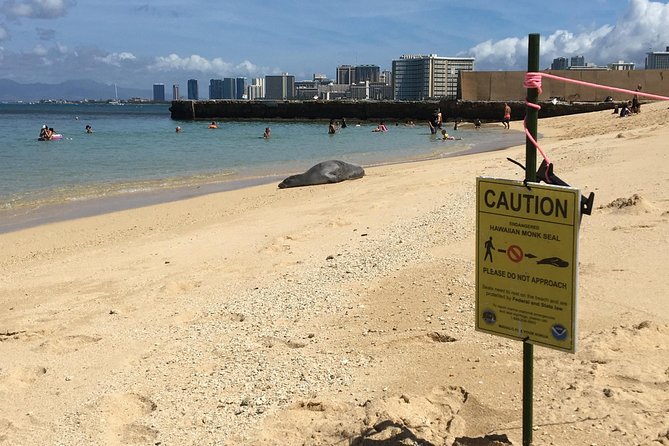
Kaimana is also a possible wildlife stop. Hawaiian monk seals sometimes come ashore here to rest. You may see one, but the tour cannot promise it, and you should treat any seal with plenty of space. A seal sighting would be a lucky addition, not the reason to book the walk.
The beach stop is listed at about 10 minutes. That is enough for a short explanation and a look around, but not enough for swimming, sunbathing, or a long beach break. Bring your own water bottle if you can, since bottled water is not provided.
Kapiolani Park and Mochi Ice Cream

After the beach, the walk pauses in Kapiolani Park for photographs and a snack. The break comes about 45 minutes into the tour, giving you a chance to sit or slow down before the route continues.
The included treat is locally made mochi ice cream. That is a small detail, but it adds a taste of local food culture without turning the tour into a formal food walk. It also makes the price easier to assess, since you receive something beyond spoken commentary.
Kapiolani Park is useful as a pause because the tour covers several subjects in a short period. You can take photos, enjoy the open setting, and let the information settle before moving on.
The stop is listed at about 15 minutes. If you have dietary restrictions, the supplied details do not specify flavors or ingredients, so you may want to ask when booking. The company does provide cold water in sterilized Hydro Flasks for anyone who forgot a bottle, but I would still bring your own reusable container.
A different sort of day, same island:
- Oahu Grand Circle Island and Haleiwa Tour: 9-Hr Deluxe Experience
★ 5.0 · 17,387 reviews - Oahu: Grand Tour Around Island 16 Locations plus Snorkeling
★ 5.0 · 8,669 reviews - Parasailing Experience in Waikiki, HI
★ 5.0 · 7,692 reviews - Salute to Pearl Harbor Including USS Arizona
★ 4.5 · 7,433 reviews
The Honolulu Zoo Area and Its Animal Stories
The walk then circles the zoo and discusses some of the most compelling stories connected with animals that have lived there over the years. The focus is not described as a zoo admission visit, so you should not expect entry into the exhibits.
That distinction matters. You are learning about the zoo from its perimeter rather than spending time inside with the animals. The discussion appears designed to connect animal stories with larger questions about public displays, conservation, and the way humans understand wildlife.
This part may appeal most to you if you like natural history and ethics alongside sightseeing. It also fits the company’s broader approach, which combines animals and plants with questions about sustainability.
Because the supplied details do not name particular animals or promise sightings, keep your expectations open. The value here is the guide’s interpretation, not a guaranteed encounter. If the animals are the main reason you want the tour, a formal zoo visit would be a different activity.
Diamond Head and the Making of Le‘ahi
The final major subject is Diamond Head, known in Hawaiian as Le‘ahi. The walk follows the base of Diamond Head State Park and explains the geological forces that formed the volcanic cone.
You will not be hiking to the summit on this tour. The route stays along the base, so the focus is the story of the rock rather than a climb and lookout. That makes the walk more accessible than a full crater hike, although you still need a moderate level of fitness for two hours of outdoor walking.
Diamond Head is one of the most recognizable features of Oahu. Learning how it formed gives you a better understanding of the island itself. Instead of treating the crater as a dramatic backdrop, the guide places it within the geological story of the Pacific.
This is also a good example of the company’s method. The tour links a familiar sight to a larger explanation of volcanic activity, island formation, and the natural forces that shaped the places people now visit, build on, and photograph.
The route ends back at the starting point. That makes planning simpler, especially if you are using public transportation or have another Waikiki activity afterward.
Sustainability Without the Lecture
Sustainability is built into the tour’s subject matter. The guide discusses the effects of industry in Waikiki and gives you information that can help you make better choices while visiting the islands.
That approach is useful because environmental pressure in a famous beach district is not always visible. You see hotels, roads, parks, and beaches, but you may not immediately think about how tourism changes water use, public space, wildlife, waste, and local life.
The company also describes its work as sustainable. The practical benefit for you is not a vague promise. It is the chance to connect the places you see with the choices you make as a visitor.
Expect the subject to include local social issues, not just scenic facts. Some people will appreciate that honesty. Others may prefer a lighter walk focused only on beaches and photo stops. If you want a polished sightseeing script with no difficult questions, this may not be your ideal tour.
How Much Value Do You Get for $14?
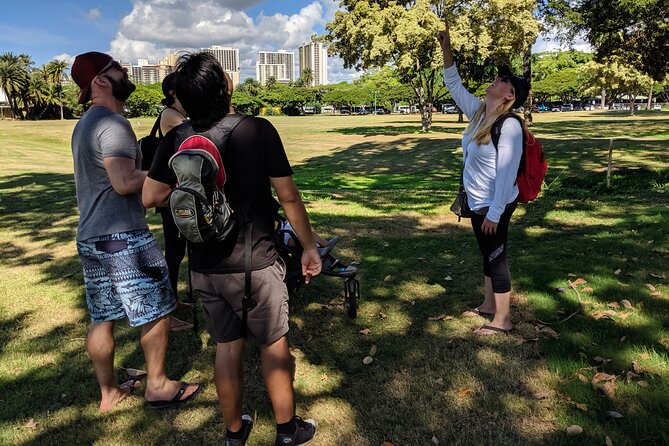
At $14, the tour is priced well below many guided walks in Honolulu. You receive about two hours of commentary, a small group limited to four, and local mochi ice cream. Free entry to the stops also keeps your extra costs low.
The price is especially good if you value context. A beach, park, or volcanic crater can be free to visit on your own, but the guide’s role is to explain what you are seeing and why it matters.
The value is less clear if you want entertainment, lots of food, or access to paid attractions. You are paying for interpretation and company, not admission tickets. The zoo portion is outside the grounds, and the tour does not include a Diamond Head summit hike.
I would see this as an affordable orientation walk for the eastern side of Waikiki. It could help you decide which places deserve a longer return visit. It is also a reasonable choice early in an Oahu stay, when you want a clearer sense of local history and geography.
Timing, Walking Comfort, and What to Bring
The tour begins at 9 a.m. and lasts approximately two hours. Morning is a sensible time for an outdoor walk, though the supplied information does not promise shade or a particular weather pattern.
Wear comfortable walking shoes and bring your own water bottle. The company does not provide bottled water, but sterilized Hydro Flasks with cold water are available if you forget yours.
You should have moderate physical fitness. The tour includes several outdoor sections and walking between stops. It is not described as strenuous hiking, but it is also not a short stroll from one bench to the next.
The activity accepts service animals and is near public transportation. The details do not specify step-free access, wheelchair suitability, or restroom locations, so ask the operator directly if those points affect your plans.
The mobile ticket makes the booking simple. Confirmation is sent at the time of booking, and the activity returns to the meeting point at the end.
The Small Group Advantage and the Reliability Question
A maximum of four people is a real benefit here. A guide can adjust the pace, answer individual questions, and point out details that might be missed in a large group. For a subject-heavy walk, that personal scale matters.
Still, I would take the meeting arrangements seriously. One customer reported arriving before the scheduled start and finding no guide, then requesting a refund. That is a serious service problem, even though it may have been an isolated failure.
Confirm the 9 a.m. meeting point at Surfer on a Wave near Kalakaua Avenue and Monsarrat Avenue before you set out. Keep your booking confirmation handy on your phone, and allow enough time to identify the artwork rather than simply waiting somewhere along the avenue.
The cancellation policy is straightforward. You can receive a full refund if you cancel at least 24 hours before the start time. Cancellations or changes made within 24 hours are not refunded or accepted, and poor weather may lead to a new date or a full refund.
Who Should Book This Waikiki Walk?
I would recommend it to you if you enjoy history, geology, surfing, wildlife, and questions about how tourism affects a place. The mix is unusual, and the small group should suit people who prefer discussion over a standard scripted tour.
It is also a good choice for visitors who want a low-cost introduction to East Waikiki without committing to a long hike. Families with older children may find the surf and animal stories engaging, though the moderate fitness requirement still applies.
You may want to skip it if your priority is swimming, shopping, a Diamond Head summit, or inside access to the zoo. The route offers views and stories, but it does not replace those activities.
Should You Book the East Waikiki Walking Tour?
Book it if you want to understand the places around you, not just photograph them. The Natatorium, Kaimana Beach, Kapiolani Park, the zoo perimeter, and Diamond Head each reveal a different part of Oahu, and the tour links them through history, nature, and sustainability.
At $14, the financial risk is low, but the operational concern about a missed guide should not be ignored. Confirm the appointment before leaving your hotel, arrive early, and keep the cancellation deadline in mind.
For a thoughtful, small-group introduction to East Waikiki, this is a strong value. Just come prepared for walking, bring water, and expect a serious look at Hawai‘i alongside the scenery.
FAQ
How long does the East Waikiki Walking Tour last?
The tour lasts approximately two hours.
What time does the tour begin?
The tour starts at 9:00 a.m.
Where does the tour meet?
The meeting point is the public art piece Surfer on a Wave near Kalakaua Avenue and Monsarrat Avenue in Honolulu.
Where does the tour end?
The tour ends back at the meeting point.
How many people can join the tour?
The maximum group size is four travelers.
Is mochi ice cream included?
Yes. Locally made mochi ice cream is provided during a break in Kapiolani Park.
Is bottled water included?
Bottled water is not provided. Sterilized Hydro Flasks with cold water are available if you forgot your own bottle.
What happens if the weather is poor?
The experience requires good weather. If it is canceled because of poor weather, you can receive a different date or a full refund.
What is the cancellation policy?
You can cancel at least 24 hours before the start time for a full refund. Cancellations or changes made less than 24 hours before the start time are not accepted, and the amount paid will not be refunded.
Just added around Oahu
- Kevo’s Beach Bus★ 5.0 · 3 reviews
- 2hr Luxury Private Sailing Catamaran for 7-12 People★ 5.0 · 3 reviews
- Mokulua Islands Self-Guided Kayak Adventure★ 3.5 · 3 reviews
- Night Ninja Adventure Course in Kapolei★ 3.5 · 3 reviews
- Arrival Lei Greeting –HNL to Waikiki Private Transfer★ 5.0 · 3 reviews
- Private “Limousine” USS Arizona Memorial & Cultural Honolulu Tour★ 5.0 · 3 reviews
- Surf Lessons get your Social Media video & photos you Surfing HI.★ 5.0 · 3 reviews
- (2nd)Diamond Head Hike w/ Malasada Starts at 7:00 a.m.★ 3.3 · 3 reviews
Walking Tours, compared.
Self guided Hike Trail to Nature Walk & Waterfall
Read our review →
Honolulu Haunts: Ghosts and Spirits Walking Tour
Read our review →
Honolulu Historic District a Smartphone Audio Walking Tour
Read our review →Browse the lists this tour appears in